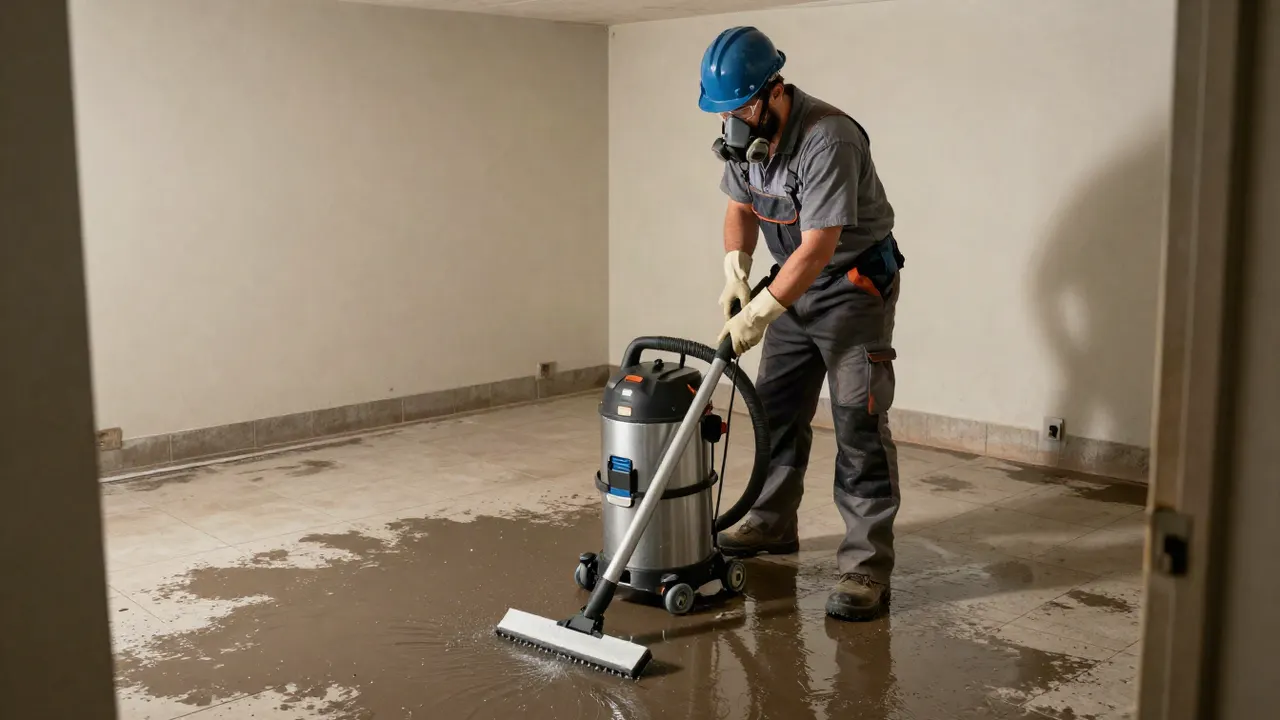
How to dry out a wet basement after a flood in Hyattsville
Standing water out first, then air movement, then dehumidification - here is the exact order that dries a flooded Hyattsville basement before mold sets in.
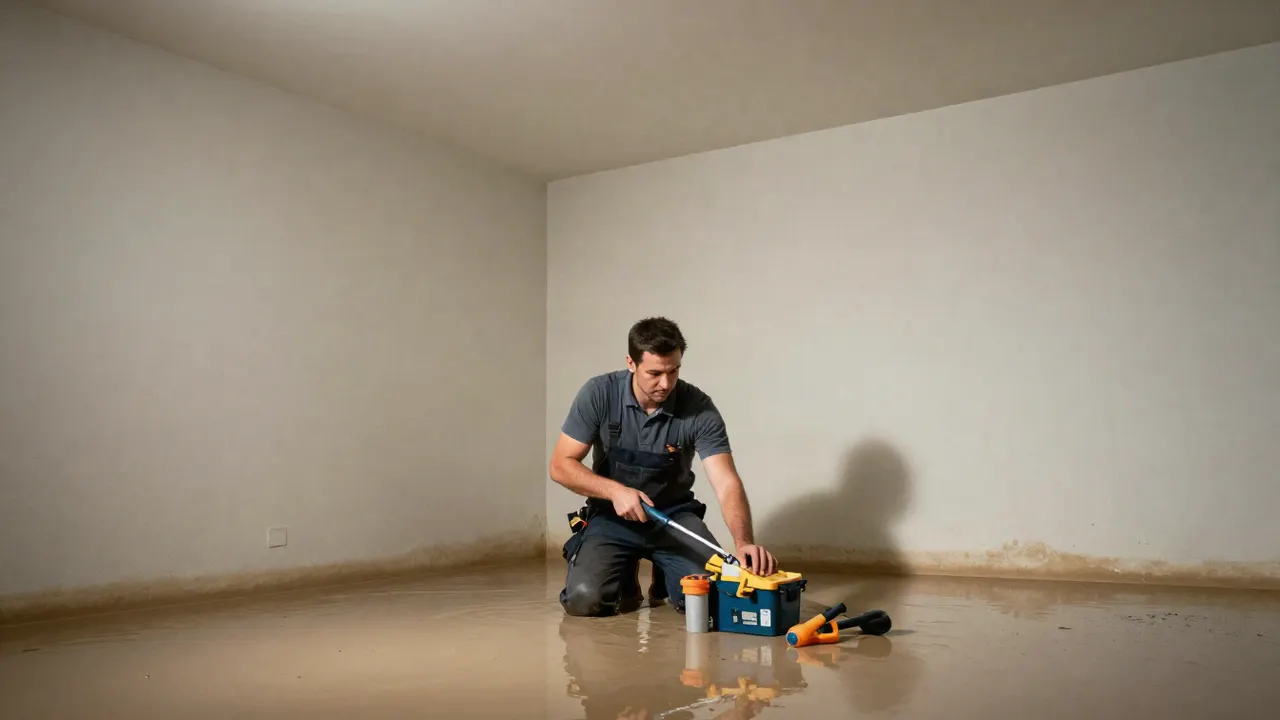
Drying out a wet basement after a flood in Hyattsville means removing standing water first, then pulling trapped water out of carpet, drywall, and framing, then running air movers and dehumidifiers until the concrete and wood read dry on a moisture meter - usually 3 to 5 days. Skip any one of those steps and mold can start colonizing wet drywall and carpet padding within 24 to 48 hours.
We have pumped out hundreds of basements in this city, from 1920s bungalows near Queens Chapel Road to newer townhomes off Route 1. What follows is the same order of operations our crews use, plus the mistakes that turn a two-day dry-out into a two-week mold remediation.
Why Hyattsville basements flood so easily
Hyattsville sits on a mix of clay-heavy soil and old storm sewer infrastructure, and that combination is why basements here flood faster than in most of Prince George's County. When the Northwest Branch and the Anacostia tributaries crest after a heavy storm, water has nowhere to go but down - through window wells, floor drains, and the joint where your foundation wall meets the slab.
Three things make it worse in this city specifically:
- Older housing stock. A large share of Hyattsville homes were built between 1910 and 1955, with poured or block foundations that have had decades to crack and settle.
- Combined storm and sanitary sewers. In heavy rain, the municipal line backs up, and the lowest drain in the house - usually the basement floor drain - becomes the exit point.
- Sloped lots and short downspouts. Water that leaves a downspout two feet from the foundation runs right back against the wall.
We see this pattern constantly in the blocks around Water Damage Queens Chapel MD, where the grade drops toward the rear of the lot and older homes have basement windows sitting below the surrounding soil line. If your basement floods every time the area gets more than an inch of rain in an hour, the water is coming in through the foundation, not through a burst pipe - and that changes how you dry it.
Step 1: Stop the water and make the basement safe
Before you touch a wet vac, kill the power to the basement at the breaker panel and confirm the water is not touching any live outlet, extension cord, or appliance. If the panel itself is in the basement and water is anywhere near it, do not go down there - call an electrician or a restoration crew and stay upstairs.
Once power is off, find the source. If it is a burst supply line or a failed water heater, shut the main valve. If it is stormwater or a backed-up floor drain, there is nothing to shut off - the water will recede on its own, and your job is to get it out before it soaks into the walls.
Two safety checks that matter in Hyattsville basements specifically:
- Gas. If you smell rotten eggs or hear hissing near the water heater or furnace, leave the house and call Washington Gas from outside.
- Sewage. If the water is dark, smells like waste, or came up through a floor drain during a storm, treat it as contaminated. That is a Sewage Backup Cleanup Hyattsville MD situation, not a shop-vac job - Category 3 water carries bacteria and requires disinfection, not just drying.
Step 2: Remove standing water fast
Standing water is the easiest part to fix and the most urgent. Every hour it sits, it wicks higher into drywall, baseboards, and the bottom plate of your framing.
What you need:
- A wet/dry shop vac (10 to 16 gallon) for shallow water, or a submersible utility pump for anything over an inch deep.
- A hose long enough to run the pump discharge at least 15 feet from the foundation - not into the same window well it just came from.
- Rubber boots and gloves. Assume the water is dirty.
Work from the deepest corner toward the drain. If the floor drain is the source of the backup, do not pump water back into it - discharge outside, onto a slope that carries water away from the house. A 1/3 HP submersible pump moves roughly 40 to 50 gallons per minute, so a 500-square-foot basement with two inches of water clears in under an hour.
If the water is more than a few inches deep or has spread into finished space, that is when most homeowners call us for basement water removal Hyattsville MD. Truck-mounted extraction pulls water out roughly four times faster than a shop vac and gets the carpet pad, which a wet vac cannot reach.
Step 3: Pull water out of carpet, drywall, and wood
Once the standing water is gone, the real work starts: the materials in your basement are still saturated even though the floor looks dry.
Carpet and padding
If the floodwater was clean (a supply line, not a sewer backup), carpet can sometimes be saved - but the pad almost never can. Pad acts like a sponge and holds water against the subfloor. Pull it, bag it, and dispose of it. Then extract the carpet itself with a weighted extraction wand, which pulls water from the backing rather than just the surface.
Drywall
Drywall wicks water upward. If the flood line is under 12 inches, a restoration crew can often dry it in place by removing the baseboard, drilling small weep holes at the bottom, and directing air into the wall cavity. Above 12 inches, the bottom section usually has to come out - wet drywall loses its structural strength and will grow mold on the paper backing. That is standard drywall water damage repair Hyattsville work, and it is cheaper to cut and replace than to gamble on drying.
Wood framing and subfloor
Wood framing can be dried in place if you catch it within 24 to 48 hours. After that, the wood cells start to break down and you get cupping, warping, and eventually rot. A moisture meter reading above 16 percent on framing means it is still wet and still drying.
Step 4: Move air, then dehumidify
Air movement and dehumidification are two different jobs, and you need both. Air movers evaporate moisture off surfaces; dehumidifiers pull that moisture out of the air so it does not just re-settle on the walls.
For a typical 600-square-foot Hyattsville basement, that means roughly:
- 4 to 6 air movers positioned at a 45-degree angle against the walls, creating a circular airflow pattern around the room.
- 1 to 2 LGR (low-grain refrigerant) dehumidifiers, which work far better than a residential unit in a cool, damp basement.
- Windows and doors closed. Running a dehumidifier with the basement window open is like air conditioning a house with the front door propped.
A standard residential dehumidifier pulls about 20 to 30 pints per day. A professional LGR unit pulls 80 to 130 pints per day at the same temperature, which is why a job that would take a homeowner two weeks takes our crew three to five days. If you want to rent equipment and do it yourself, that is a legitimate option - we offer dehumidifier rental Hyattsville MD with the same LGR units we use on jobs.
Run the equipment continuously. Turning it off at night to save electricity resets the drying clock and gives mold a window to start.
How long does it take to dry a wet basement in Hyattsville?
A wet basement in Hyattsville takes 3 to 5 days to dry under professional equipment, or 1 to 3 weeks with consumer-grade fans and a residential dehumidifier. The range depends on four things: how deep the water got, what materials it touched, how humid the outdoor air is, and how much airflow you can generate.
Here is what we typically see:
- Concrete floor, unfinished basement, water under 1 inch: 2 to 3 days.
- Finished basement with carpet and drywall wicking: 4 to 6 days.
- Sewage backup or water sitting more than 48 hours: 5 to 7 days plus disinfection and, often, mold remediation.
November is actually a good month to dry a basement in Maryland. Outdoor humidity drops, so the dehumidifiers are not fighting the outside air the way they do in July. The tradeoff is that cool basements slow evaporation, which is why we run LGR units instead of standard refrigerant dehumidifiers once the temperature drops below 65 degrees.
Common mistakes that turn a wet basement into a mold job
The difference between a basement that dries in three days and one that needs mold remediation usually comes down to one of these:
- Only drying what you can see. The floor looks dry while the bottom 8 inches of drywall and the carpet pad are still soaked. Always check with a moisture meter, not your hand.
- Running fans without a dehumidifier. Fans move moisture into the air. Without a dehumidifier, that moisture just condenses on cool surfaces and starts the cycle over.
- Opening windows in humid weather. In a Maryland summer, outdoor air is wetter than basement air. You are making it worse.
- Waiting on the insurance adjuster before starting. Document the damage with photos and start drying. Most policies require you to mitigate further damage, and delay is the most common reason claims get reduced.
- Assuming it will dry on its own. Concrete slabs and block foundations hold water for weeks. A basement that "smells musty" two months after a flood is a basement that never dried.
Mold is the real cost of getting this wrong. Mold Remediation Hyattsville MD jobs typically run $1,500 to $6,000 depending on square footage and how far the growth has spread - money that a $400 drying job would have prevented.
When to call a professional
Call a professional when the water is more than an inch deep, when it came up through a floor drain or toilet, when it reached drywall or carpet, or when it has been sitting more than 24 hours. Those four conditions cover about 80 percent of the flooded basements we see in Hyattsville.
You should also call if your basement has finished space, if you cannot find the source, or if your homeowner's insurance is involved - we document moisture readings, take photos, and provide the drying log your adjuster needs.
Water Damage Restoration Hyattsville MD handles the whole job: extraction, structural drying, dehumidification, and any repairs the water made necessary. We give you a flat price before we start, and we tell you honestly when a basement can be dried in place versus when materials have to come out.
One more thing worth knowing: if your basement floods every time it rains hard, drying it is only half the fix. The other half is grading, downspout extensions, and in some cases a backwater valve on the floor drain. We will tell you what we see while we are there.
Frequently Asked Questions
How do I dry out my wet basement after a flood in Hyattsville?
Pump or vacuum out standing water first, then extract carpet and pad, remove wet baseboards, and run air movers plus an LGR dehumidifier with windows closed for 3 to 5 days. Check framing and drywall with a moisture meter before you call it dry.
How long does it take to dry a wet basement in Hyattsville MD?
Three to five days with professional equipment, or one to three weeks with box fans and a residential dehumidifier. Deeper water, finished materials, and sewage contamination push it toward the longer end.
Should I use a dehumidifier to dry my basement in Hyattsville?
Yes, and it is not optional. Air movers alone just move moisture around. A dehumidifier pulls 20 to 130 pints per day out of the air depending on the unit, which is what actually dries the space.
Can a wet basement after a flood cause mold in Hyattsville?
Yes. Mold can begin growing on wet drywall, carpet pad, and framing within 24 to 48 hours. If your basement was wet for more than two days, assume mold is present and have it checked before you rebuild.
Does homeowner's insurance cover basement flood drying in Hyattsville?
It depends on the source. Burst pipes and appliance failures are usually covered. Surface flooding and sewer backups typically require a separate flood or backup endorsement. Document everything with photos before you start drying.
Get help with Water Damage in Hyattsville
If your basement is still wet, every hour counts. We can be at your door with extraction equipment and drying gear, usually within the hour.
Call +1 (866) 327-0438 and we will tell you over the phone whether you can handle it yourself or whether you need a crew today.