Focused arrival windows
Useful updates and clear arrival timing.
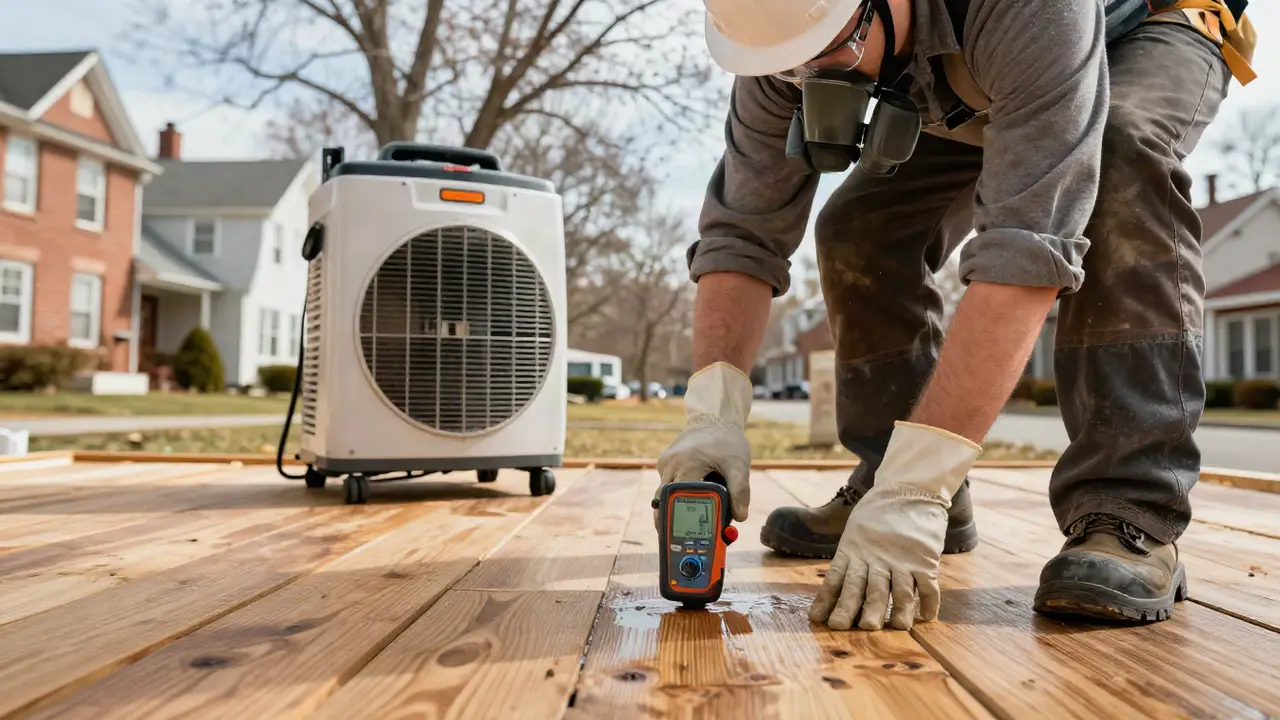
Dehumidification Services Hyattsville MD removes the trapped moisture that keeps walls damp, floors soft and air heavy after a leak or flood. We place industrial dehumidifiers and air movers in basements, crawl spaces and living areas across Hyattsville, Maryland, then monitor readings until your structure is dry. If you are searching for dehumidification near me Hyattsville, call now and we will bring the equipment to you.
Useful updates and clear arrival timing.
Review the approach and price before deciding.
Equipped vehicles and respectful cleanup.
Neighbors serving neighbors with follow-through.
Every dehumidification job we run in Hyattsville includes the equipment, the labor to set it up, daily monitoring and a final written report. Here is what you get, and where additional work like mold remediation or structural repair would be quoted separately.
We walk the affected area with a moisture meter and thermal imaging camera to find every wet zone, including hidden water damage behind walls. You get a moisture map showing exactly where the water went and how wet each material is before we start drying.
We place Dri-Eaz and Phoenix dehumidifiers sized to your space, along with air movers positioned for circular airflow. A hygrometer logs temperature and relative humidity continuously. Equipment stays until readings hit the dry standard, not on a fixed day count.
A technician returns every day to record moisture content in walls, floors and baseboards, check water output, and adjust equipment placement. You get a verbal update each visit. If a material stalls, we change the approach rather than bill you for more days.
Where moisture has sat long enough to raise microbial risk, we apply antimicrobial spray to affected framing and cavities. This is standard practice under ANSI/IICRC S500 and helps prevent mold growth from taking hold while the structure dries.
When drying is complete, you receive a written report with final moisture readings, photos, equipment logs and run times. The format works with Xactimate, so your insurance adjuster can process the claim without back-and-forth. We also note any repairs still needed.
Share what is happening and receive a clear next step from the local team.
Dehumidification Services Hyattsville MD is a controlled drying process that pulls water vapor out of the air and the materials it has soaked into, using industrial dehumidifiers, air movers and daily moisture readings. Water hides in drywall, insulation, carpet padding, baseboards and plywood long after the visible puddle is gone. We measure that hidden moisture with a moisture meter and thermal imaging camera, then run equipment until every reading matches a dry standard. That is how we stop mold growth and save flooring instead of replacing it.
Hyattsville homes get hit from every direction: summer humidity that sits above 70 percent, basement flooding after heavy rain, burst pipe failures in older plumbing, and crawl space water intrusion that never fully dries on its own. A wet basement in July will not dry out with open windows. We handle dehumidification service Hyattsville residents call for after slab leaks, roof leaks and sewage backups, and we size the equipment to the actual cubic footage of the affected space, not a guess.
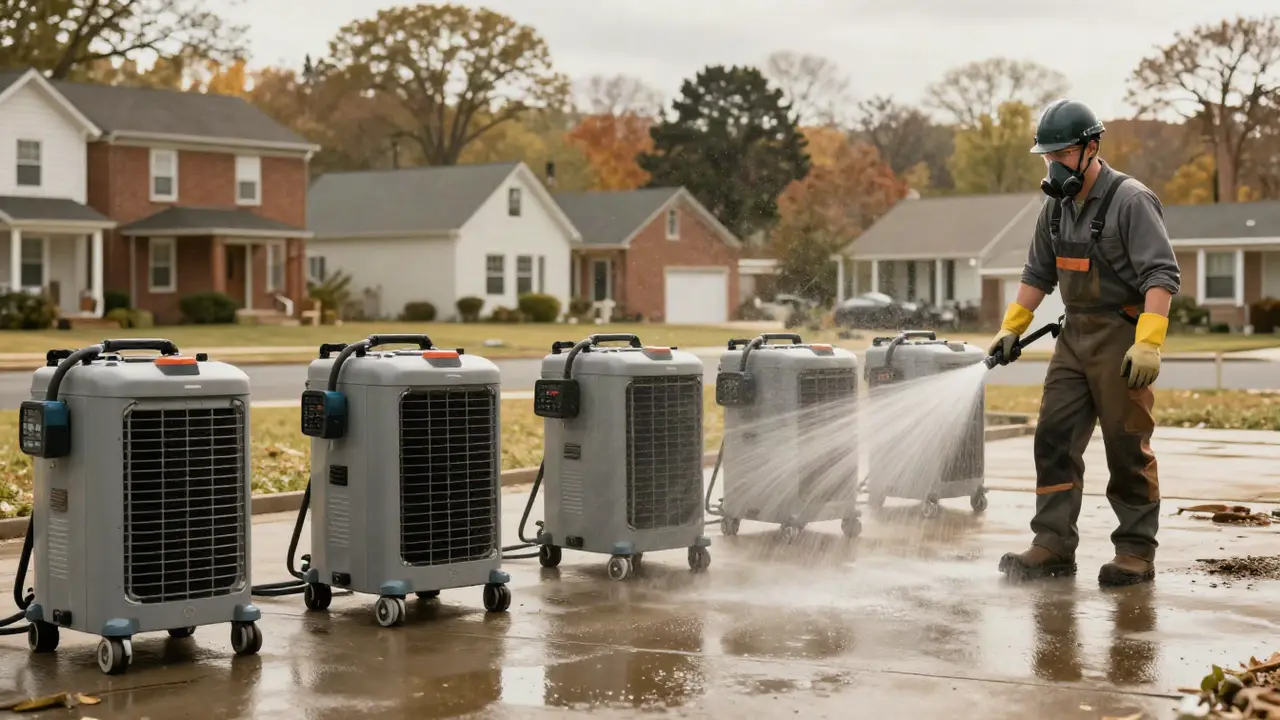
You call, we ask what happened and where the water is. We dispatch a technician, usually the same day in Hyattsville. On arrival we walk the space with you, find the source, and take baseline moisture readings with a moisture meter and thermal imaging camera. You get a clear scope and a price before any equipment comes off the truck.
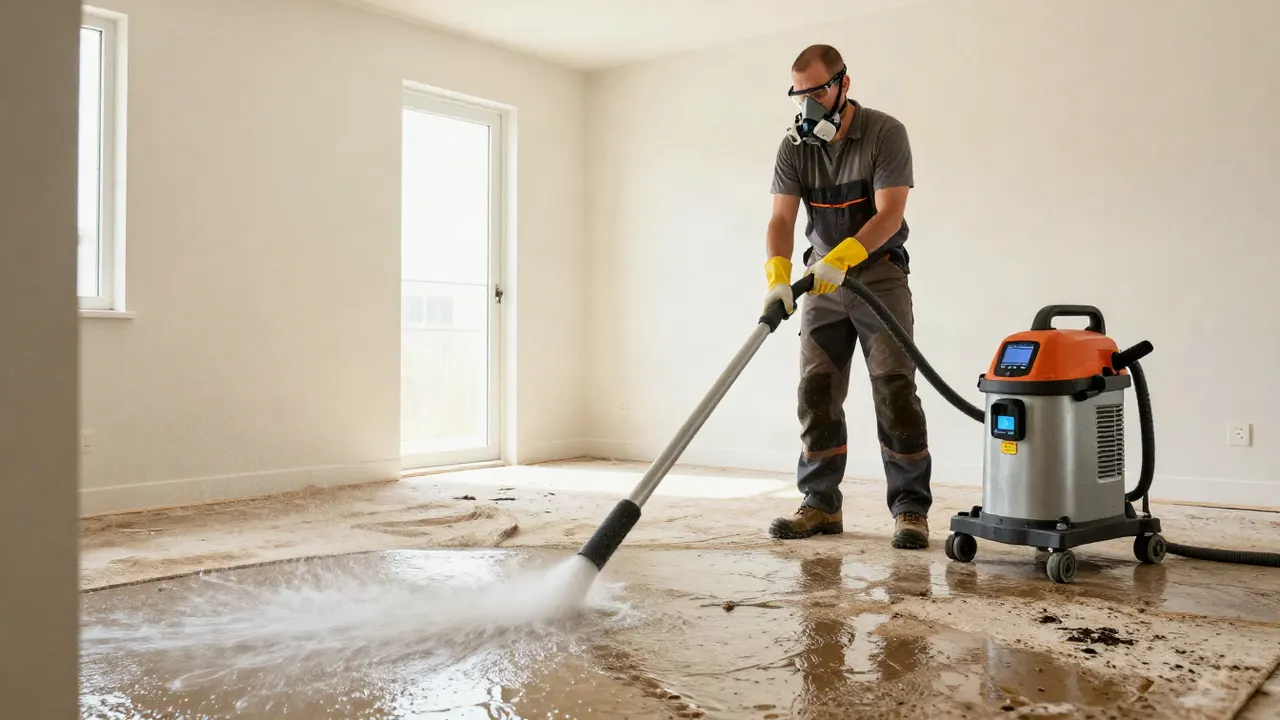
Standing water comes out first with a water extraction unit and, where needed, a sump pump. You cannot dehumidify a room that still has an inch of water on the floor. This step usually takes one to three hours depending on volume. We also pull saturated carpet padding, which will never dry in place and will keep the room humid if left.
We calculate how many air movers and dehumidifiers the space needs based on square footage, ceiling height and material types. A finished basement with drywall and carpet needs more airflow than an empty concrete crawl space. Equipment is positioned to create a circular airflow pattern, and we set a hygrometer to log temperature and relative humidity around the clock.
A technician returns each day to record moisture content in walls, floors and baseboards, and to check the dehumidifier's water output. Readings get logged and compared against the dry standard for each material. If a wall is drying slower than expected, we add an air mover or adjust placement. You get a verbal update every visit.
We do not pull equipment based on a calendar. We pull it when moisture readings hit the dry standard for that material and stay there. You receive a final report with the readings, photos and equipment run times. If we find mold growth during the process, we transition into mold remediation under ANSI/IICRC S520 rather than leaving it behind the drywall.
Low-grain refrigerant and desiccant units that pull water vapor out of the air fast. We size them to the cubic footage and material load so drying stays on schedule.
High-velocity fans positioned to create circular airflow across wet surfaces. They speed evaporation so the dehumidifier has more vapor to remove.
A moisture meter reads water content inside walls, floors and baseboards. A hygrometer logs temperature and relative humidity in the drying chamber. Both guide daily decisions.
Reveals temperature differences that point to hidden water damage behind walls and under floors. We use it to map the wet zone before any equipment is placed.
A small camera that lets us look inside wall cavities and crawl spaces without tearing them open. It confirms whether framing is wet and whether mold growth has started.
Removes standing water before dehumidification begins. You cannot dry a room that still has water on the floor, so extraction always comes first.
The industry standard for water damage restoration. It defines how we classify the water, categorize the loss, and set drying goals. Every moisture reading we take is compared against the S500 dry standard for that material.
We track temperature, relative humidity and dew point to understand how moisture is moving through the space. When drying stalls, psychrometrics tell us whether to add airflow, add dehumidification or adjust temperature.
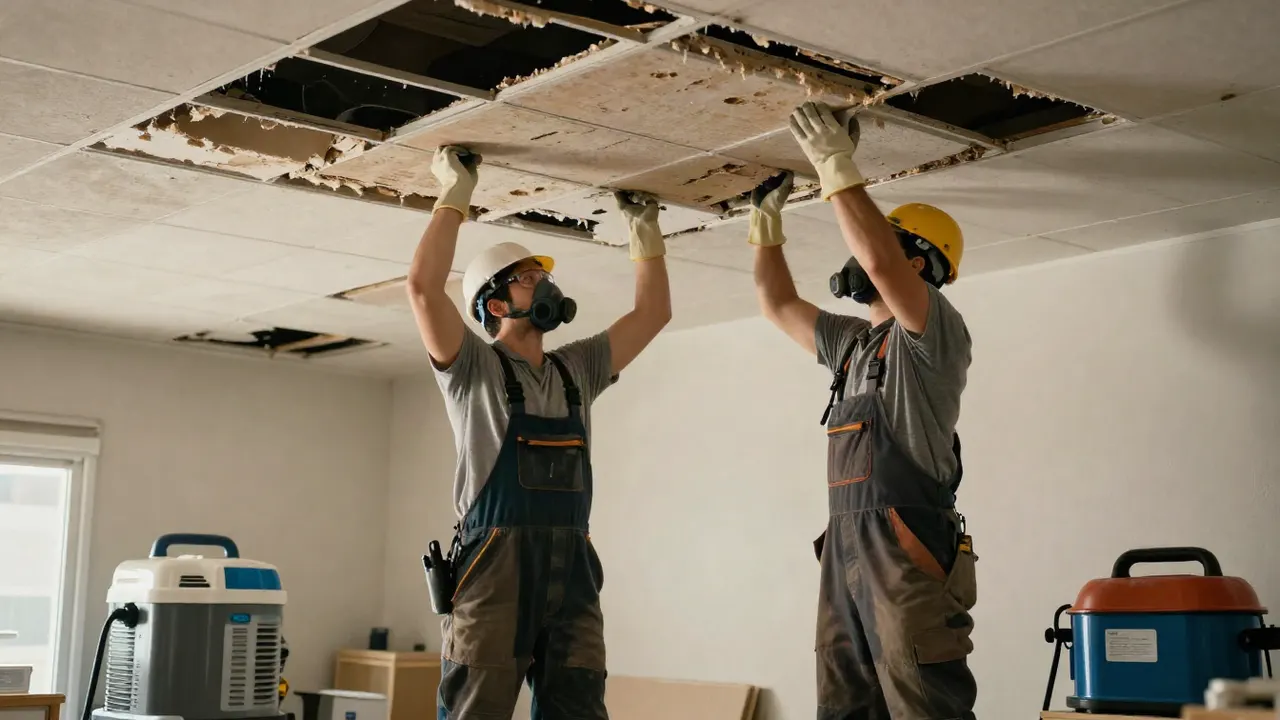
Some materials will not dry in place, like saturated carpet padding or bowed baseboards. We remove only what cannot be saved, which protects the rest of the structure and keeps the drying chamber smaller and faster.
Where moisture has raised microbial risk, we apply antimicrobial spray to affected framing and cavities. This follows ANSI/IICRC S500 and, when mold is already present, ANSI/IICRC S520 remediation protocols.
We extract standing water, remove saturated carpet padding, and place industrial dehumidifiers and air movers in both the kitchen and the basement. Daily moisture readings track the drying progress in the subfloor and ceiling cavity. Most pipe burst jobs dry in three to four days. Catching it the same night often saves the hardwood and limits drywall replacement to one or two sections.
We pump and extract the water, pull wet carpet and padding, and set commercial dehumidification equipment sized for the finished square footage. Antimicrobial spray goes on the lower drywall and framing. The basement dries in four to five days. Carpet is replaced, but the drywall and framing are saved, which is the difference between a few thousand dollars and a full gut.
We trace the leak with a thermal imaging camera, dry the ceiling cavity with dehumidifiers and air movers, and check the insulation for saturation. Wet insulation comes out and gets replaced. The ceiling cavity dries in two to three days. Repairing the drywall and repainting finishes the job, and the musty smell is gone with the moisture.
Commercial dehumidification Hyattsville MD jobs get larger equipment and phased drying so the business can reopen part of the space. We work around operating hours and document everything for the insurance carrier. The affected area dries in three to four days with minimal downtime. Daily logs and Xactimate-formatted reports make the claim straightforward.
Hyattsville sits in Prince George's County with a mix of 1920s bungalows, mid-century ranches and newer townhomes, and each one dries differently. Older homes often have plaster walls and unfinished basements that hold moisture longer than modern drywall. Newer construction is tighter, which means a small leak can raise indoor humidity fast because there is less natural ventilation. Summer humidity here regularly sits above 70 percent, so a wet basement will not dry out with open windows. We size dehumidification equipment for the actual conditions, run daily readings, and work to the ANSI/IICRC S500 dry standard. If you need industrial dehumidifier rental in Hyattsville Maryland after a storm or a burst pipe, we deliver, set up, monitor and pick up the equipment ourselves. We also know which blocks near the Northwest Branch flood first when heavy rain hits.
Older housing stock with unfinished basements and original plumbing. Pipe failures and basement seepage are common calls here, and plaster walls need longer drying times.
Renovated older homes with finished basements and hardwood throughout. Water travels fast under hardwood, so we map the subfloor with a moisture meter before placing equipment.
Newer multi-unit buildings with tight construction. A single leak can push humidity up across several units, so we coordinate drying with property management.
A mix of single-family homes and small commercial spaces. Crawl space water intrusion and musty odors are frequent, especially after summer storms.
Outdoor air holds so much moisture that opening windows makes a wet basement worse. Dehumidification must run with the space closed up, and equipment capacity has to account for the humid outdoor air.
Galvanized and early copper lines fail without warning, often inside walls. Water travels down and sideways, so we trace it with a thermal imaging camera before assuming the wet zone is small.
Basements and crawl spaces in low-lying areas take on groundwater after heavy rain. We remove standing water first with a sump pump, then dry the structure and check for foundation leaks.
Newer townhomes have less natural airflow, so moisture from a small leak stays trapped. Dehumidifiers run longer in these spaces, but the total water volume is usually lower.
A storm pushed two inches of water through a basement window well into a finished basement with carpet, drywall and a drop ceiling. Relative humidity read 82 percent, and the carpet padding was fully saturated. The homeowner called us the morning after the storm.
We extracted the water, removed the padding, and ran four dehumidifiers and six air movers for five days. Final moisture readings in the drywall and subfloor matched the dry standard. Carpet was replaced; drywall and framing were saved.
Maintenance: We recommended a window well cover and a permanent dehumidifier set to 50 percent relative humidity. Checking the well before storm season prevents a repeat.
A supply line failed overnight and soaked the kitchen wall, subfloor and the basement ceiling below. The homeowner found water on the floor at 6 a.m. Moisture readings in the subfloor were above 25 percent, well past the dry standard.
We opened the wall cavity, extracted standing water, and placed dehumidifiers and air movers in both the kitchen and basement. Four days of daily monitoring brought the subfloor and ceiling cavity to dry. One drywall section was replaced.
Maintenance: We suggested replacing the remaining original supply lines in that wall while it was open. That is cheaper than a second water event.
A homeowner had a musty smell for two years and rising energy bills. We found standing water in the crawl space, wet insulation and mold growth on the joists. Relative humidity under the house was 88 percent.
We pumped the water, removed the wet insulation, treated the joists with antimicrobial spray, and ran dehumidification for three days. Humidity dropped to 48 percent and the musty odor cleared. Mold remediation was completed under ANSI/IICRC S520.
Maintenance: We identified a foundation leak and recommended sealing it. A crawl space dehumidifier set to 50 percent keeps the space dry between checks.
Moisture problems rarely announce themselves clearly. These are the situations Hyattsville homeowners call us about most, and what happens when they are ignored.
Persistent odor usually means active mold growth or damp framing behind the walls. Left alone, it spreads and turns a drying job into a remediation job. We locate the moisture source with a moisture meter and boroscope, dry the affected cavity with industrial dehumidifiers, and treat with antimicrobial spray where needed. Once the readings are dry, the smell goes with the moisture.
High humidity in a basement wicks into stored items, framing and flooring. Over a season it can warp wood, rust metal and feed mold growth in corners you never check. Basement dehumidification Hyattsville MD is sized to the cubic footage, not the square footage. We run low-grain refrigerant units until relative humidity holds in the 30 to 50 percent range, then advise on a permanent solution if the space stays damp.
A ceiling stain means water is traveling from above, often from a roof leak or a failed pipe. The wet zone is usually larger than the visible stain, and the cavity stays wet long after the surface dries. We trace the leak with a thermal imaging camera, stop the source, and dry the ceiling cavity with dehumidifiers and air movers. Once readings are dry, we repair the drywall and repaint. Catching it early usually saves the whole ceiling.
Crawl spaces have low airflow and hold humidity year-round. That moisture rises into the living space, causing musty odors, cupped hardwood and higher cooling costs. We remove standing water with a sump pump and water extraction unit, then run dehumidification sized for the low clearance. We also check for foundation leaks and crawl space water intrusion so the problem does not come straight back.
$350 - $1,200 for most residential dry-outs; commercial and large-loss jobs quoted per scope
Typical 2026 pricing for dehumidification in Hyattsville runs $350 to $1,200 for a residential dry-out, including equipment, setup, daily monitoring and a final report. Small jobs like a bathroom leak may land near the low end. Finished basements and commercial spaces run higher because they need more units and more days. We give you the price before we start, and we do not pad the day count. If you need a dehumidifier rental Hyattsville MD, we quote delivery, monitoring and pickup as one number.
Dehumidification costs a fraction of what replacement costs. Drying a wet hardwood floor instead of replacing it, or saving drywall instead of cutting it out, usually pays for the service several times over. You also get documentation that supports an insurance claim.
Square footage drives how many dehumidifiers and air movers the job needs. A single room may need one unit; a finished basement may need four or more. Equipment count is the biggest single driver of cost.
Concrete and tile dry fast. Drywall, hardwood, carpet padding and plaster hold water and take longer. Plaster walls in older Hyattsville homes can add a day or two to the schedule compared with modern drywall.
Clean water from a supply line is straightforward. Sewage backups and floodwater are contaminated, which means removing affected materials and treating the space before drying. That adds labor and disposal costs.
Most jobs run three to five days. Hidden water damage behind walls or under floors can extend that. We monitor daily and pull equipment as soon as readings hit the dry standard, so you are not paying for idle machines.
Crawl spaces and tight basements take longer to set up and monitor. If equipment has to be carried down narrow stairs or placed in low clearance, labor time goes up. We tell you that upfront.
A pipe burst behind our kitchen wall on a Sunday night. They had dehumidifiers and air movers running in the kitchen and basement by Monday afternoon. The tech came back every day for four days and showed me the moisture readings each time. Drywall was saved, only one section had to be replaced. Honest work, no upselling.
We had a basement flooding issue in one of our buildings after a heavy storm. Their crew extracted the water, set up industrial dehumidifiers, and handled all the documentation for our insurance claim. The daily logs made the adjuster's job easy. Four units ran for five days and the readings came back dry. We use them for all our Hyattsville properties now.
Musty smell in our crawl space for two years. They found the water intrusion, pumped it out, and ran dehumidification for three days. The smell is gone and the humidity down there is finally normal. They also pointed out a foundation leak we did not know about. Straight answers, fair price, no pressure.
Most residential dehumidification jobs in Hyattsville run $350 to $1,200 for a three to five day dry-out, including equipment, daily monitoring and a final report. Larger basements, commercial spaces or jobs needing more than four units push the number higher. We give you the price before we start, and we do not bill extra days just because the machine is still running.
Plan on three to five days for most Hyattsville homes. A small bathroom leak may dry in 48 hours. A flooded basement with drywall, insulation and carpet padding usually takes four to five days, sometimes longer if the walls are plaster or the space has no ventilation. We measure moisture daily and pull equipment when the readings hit the dry standard, not on a fixed schedule.
Yes, in almost every case. Once standing water is extracted, the structure stays wet for weeks without mechanical drying, and mold can start within 24 to 48 hours. Fans alone move air but do not remove water vapor. You need a dehumidifier to pull that moisture out of the air so the walls and floors can release theirs. That is the whole point of the equipment.
Yes, we rent industrial dehumidifiers in Hyattsville and the surrounding areas, with delivery, setup, daily monitoring and pickup included. We size the unit to your space, so you are not paying for capacity you do not need or waiting on a machine that is too small. Call and we will tell you what your job needs and what it costs.
Not seeing your question? Our local team can help you understand urgency, scheduling and what to expect.
Ask the local team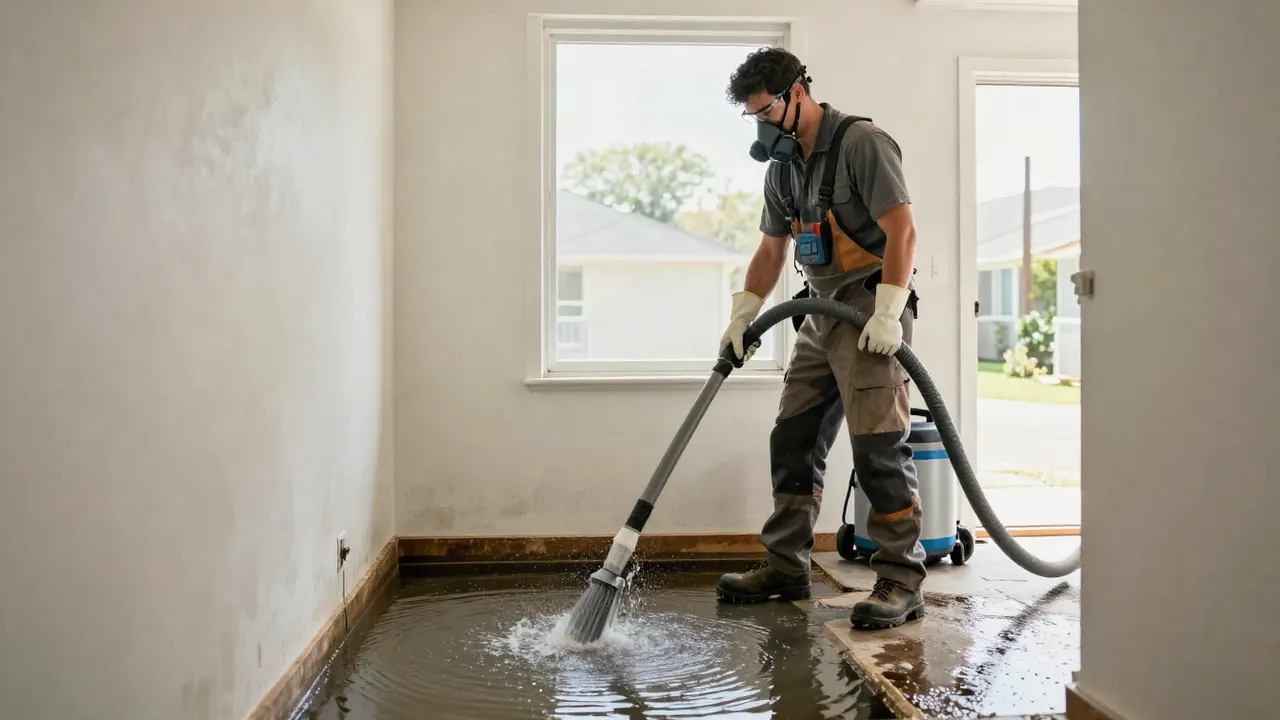
Standing water has to come out before dehumidifiers can work. We extract with truck-mounted units and sump pumps, then set drying equipment the same visit. Most Hyattsville emergency calls get a crew on site the same day.
View serviceFloodwater carries contaminants that regular drying will not address. We remove debris, sanitize with antimicrobial spray, then run dehumidification to dry the structure. This is the correct sequence after basement flooding or storm-driven water in Hyattsville.
View service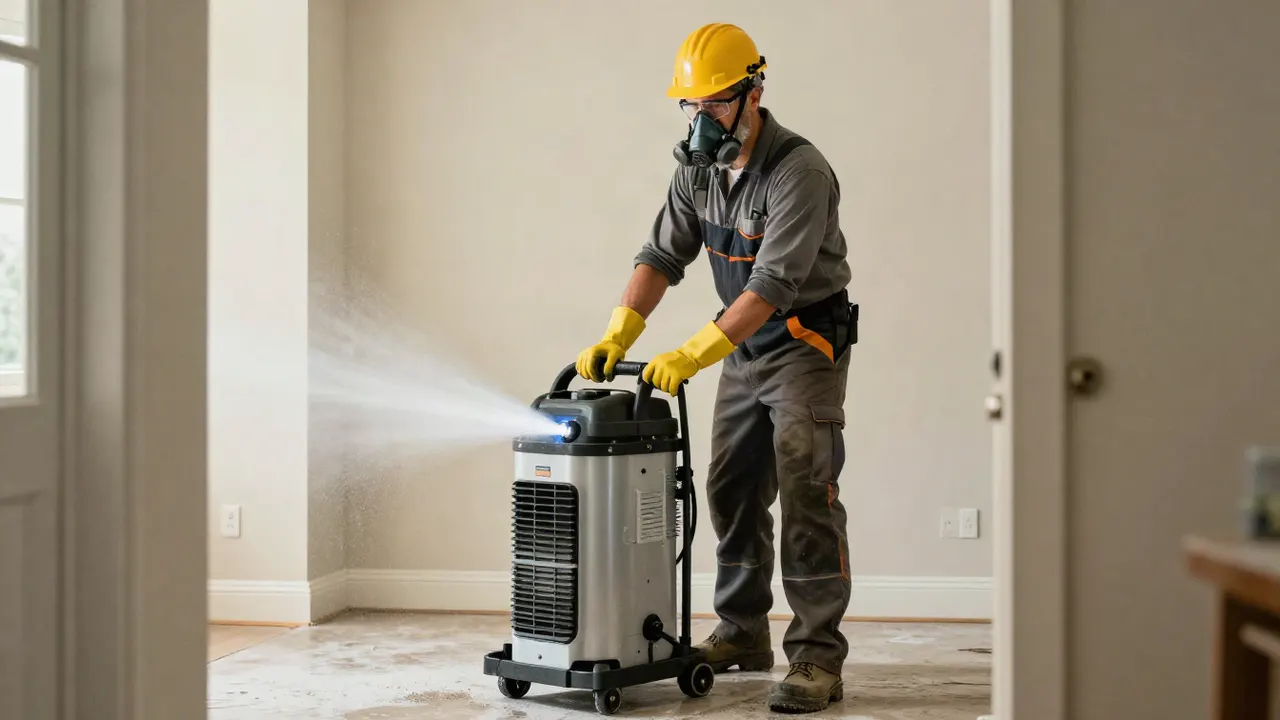
Basement dehumidification Hyattsville MD starts with getting the water out. We pump and extract, then place dehumidifiers and air movers sized to the square footage. Finished basements with drywall and carpet need more equipment than bare concrete.
View service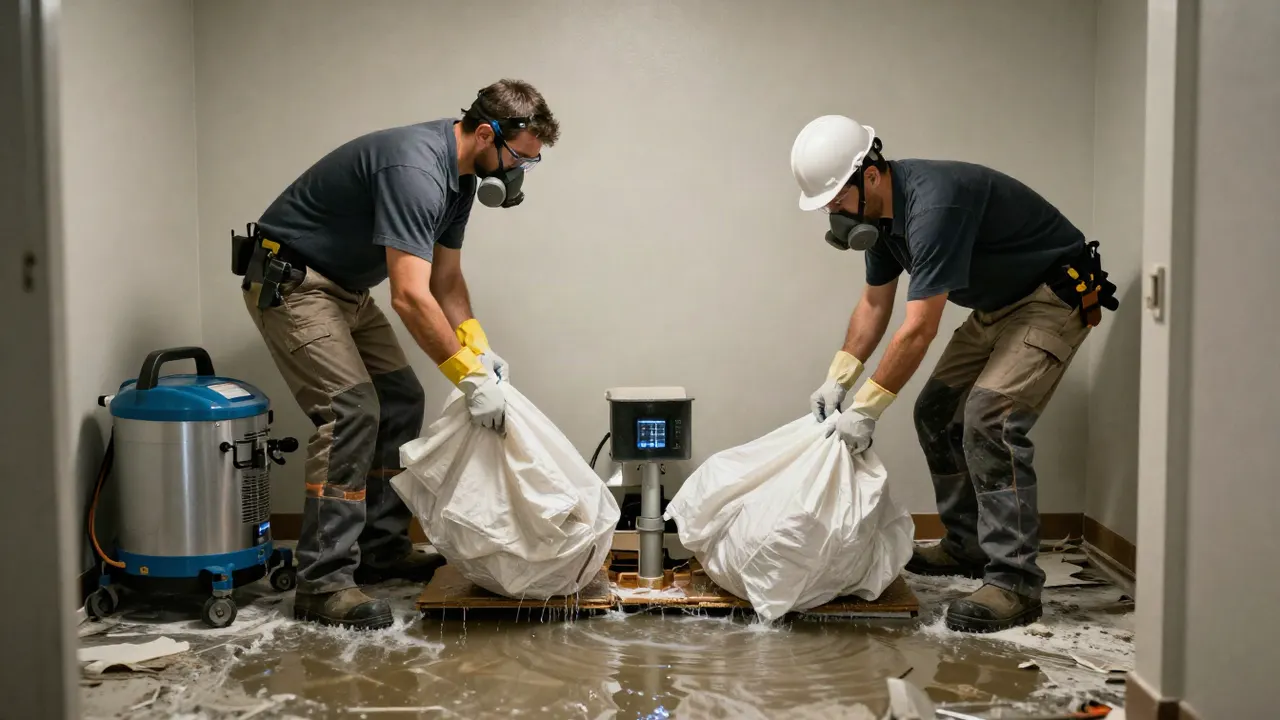
Sewage backups require removal of contaminated materials before drying begins. Once the affected area is stripped and treated, we run dehumidification to dry the remaining structure. Skipping this step leaves odor and bacteria in damp framing.
View service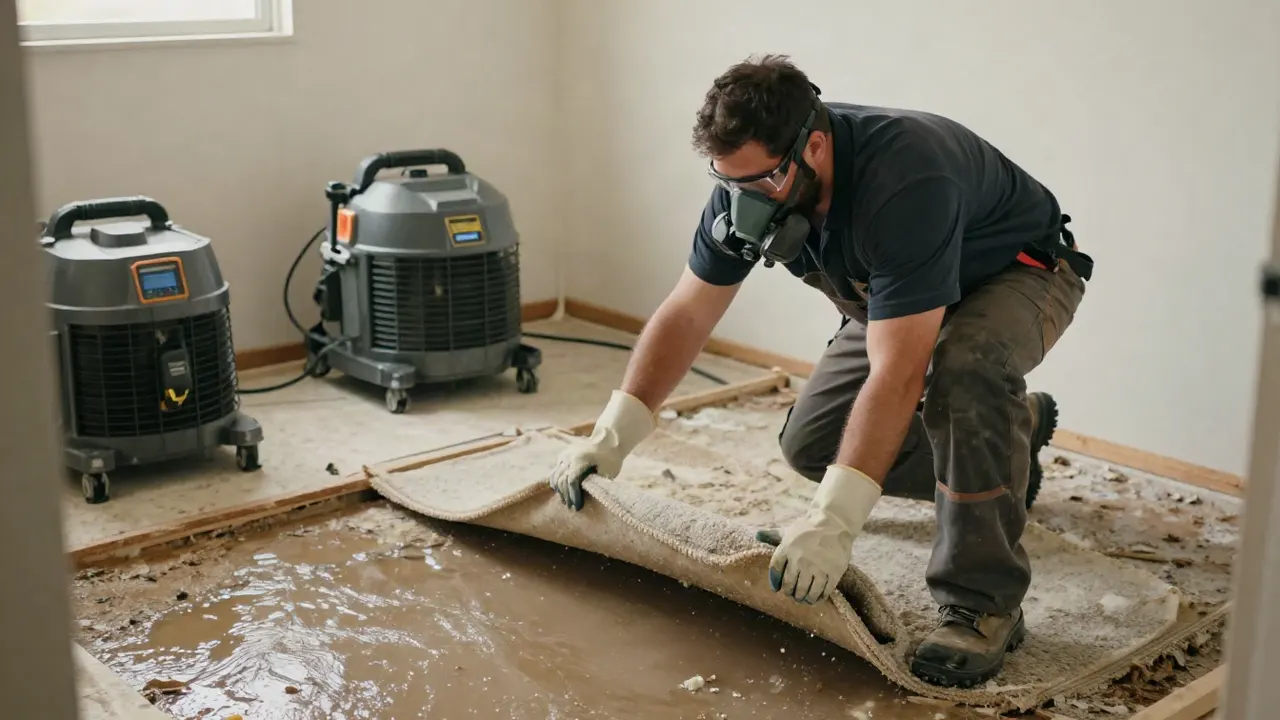
We answer the phone 24 hours a day, 7 days a week, including holidays. Most addresses in Hyattsville see a crew within an hour of your call. Whether it is a burst pipe at 2 a.m. or a slow leak you just noticed, call us and we will get someone out.