Focused arrival windows
Useful updates and clear arrival timing.
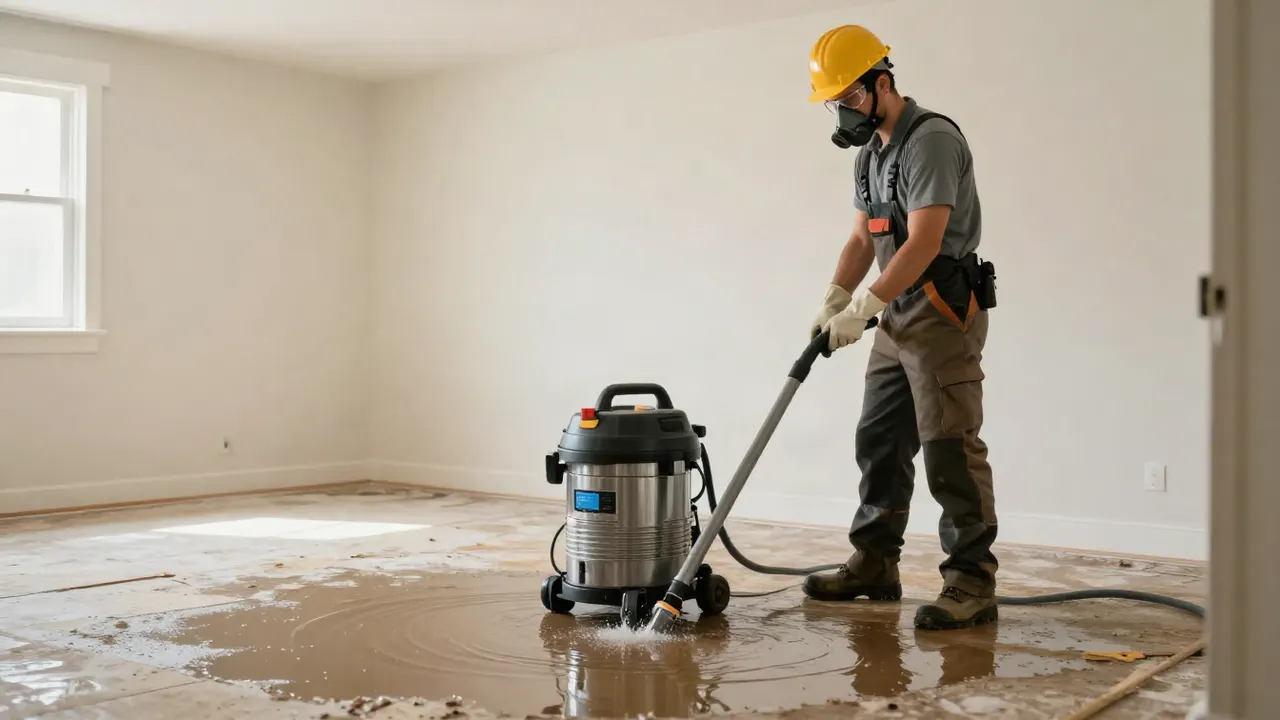
Structural Drying Hyattsville MD is the controlled removal of moisture from building materials after a leak, flood, or sewage backup. We dry drywall, hardwood, carpet padding, and framing before mold takes hold. Our IICRC WRT and ASD certified techs serve homeowners and property managers across Prince George's County with 24/7 emergency response and direct insurance billing.
Useful updates and clear arrival timing.
Review the approach and price before deciding.
Equipped vehicles and respectful cleanup.
Neighbors serving neighbors with follow-through.
Every structural drying job includes a full assessment, water extraction, equipment setup, daily monitoring, and a final dry standard verification. We handle the drying; if repairs like drywall replacement or flooring installation are needed, we scope those separately and can complete them with the same crew.
We use moisture meters, thermal imaging cameras, and boroscopes to find every wet area, including hidden cavities behind walls and under floors. You get a clear picture of what is wet and what needs drying.
Truck-mounted extraction units and sump pumps remove standing water from carpet, hardwood, concrete, and crawl spaces. This step removes the bulk of the water so drying equipment can work efficiently.
We position Dri-Eaz and Phoenix air movers with refrigerant or desiccant dehumidifiers to create airflow and pull moisture from materials. Equipment runs 24/7 and is adjusted daily based on readings.
Affected framing, subfloors, and wall cavities get antimicrobial spray to inhibit mold growth during and after drying. This is standard on every job, not an add-on.
A technician logs moisture content, humidity, and temperature every day. You get updates and a final report with before-and-after readings, equipment logs, and photos for your insurance claim.
We do not pack up until every material hits dry standard per ANSI/IICRC S500. You receive written verification that your structure is dry and ready for repairs or normal use.
Share what is happening and receive a clear next step from the local team.
Structural drying is not the same as mopping up standing water. It is a science-driven process that pulls trapped moisture out of drywall, insulation, hardwood flooring, carpet padding, baseboards, and plywood subfloors using calibrated air movement and dehumidification. We map the moisture with a moisture meter and thermal imaging camera, then set a drying goal based on ANSI/IICRC S500 standards. Every reading gets logged so your insurance adjuster sees documented progress, not guesswork.
Hyattsville homes face specific water problems: aging cast-iron drains in Kirkwood, slab leaks under 1940s bungalows near Queens Chapel, and basement flooding after summer storms that overwhelm sump pumps. When you search for structural drying near me Hyattsville MD after a pipe burst or roof leak, you need a crew that understands how these older homes hold water in hidden cavities. We have dried hundreds of properties across 20781, 20782, and 20788 since 2012.
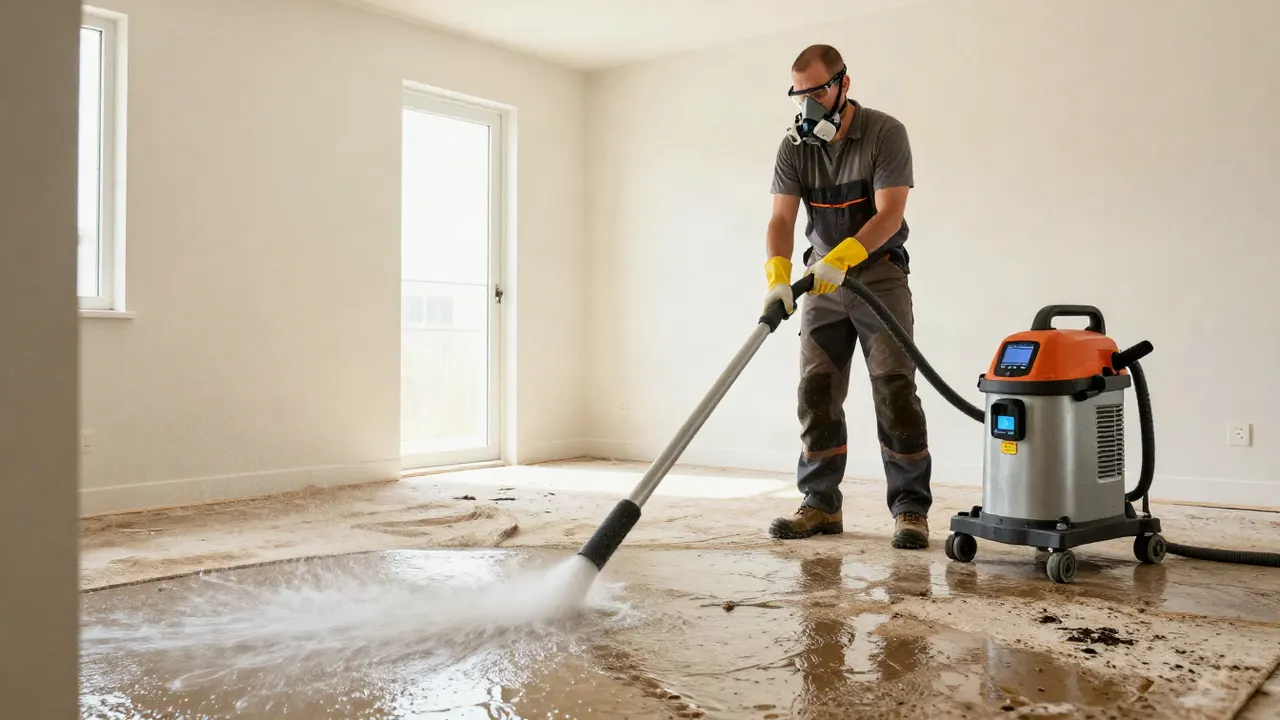
We arrive with moisture meters, a thermal imaging camera, and a boroscope to find water behind walls and under floors. You get a clear scope of what is wet, what is salvageable, and what needs to come out. This walkthrough takes 30 to 60 minutes depending on the size of the affected area.
Truck-mounted water extraction units pull standing water from carpet, hardwood, and concrete slabs. For basement flooding or sewage backup, we use sump pumps and wet vacuums first, then extract residual moisture. This step removes the bulk of the water so drying equipment can work efficiently.
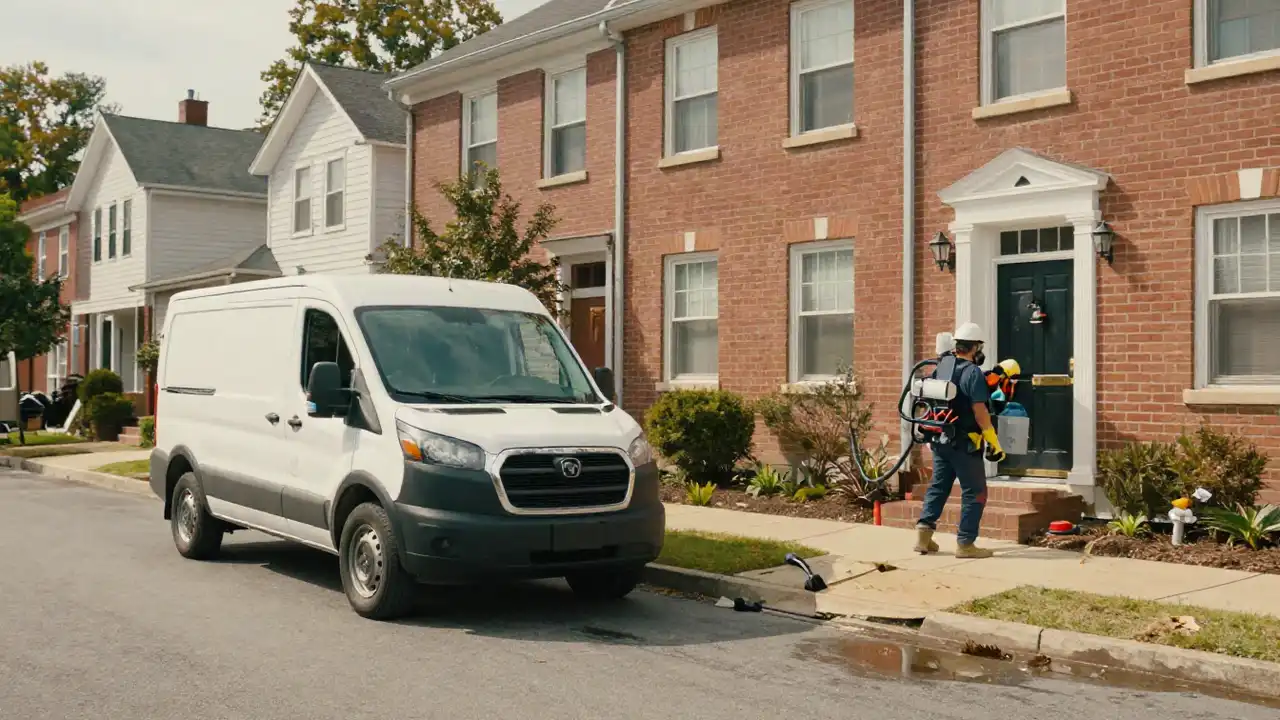
We position air movers, axial fans, and refrigerant or desiccant dehumidifiers based on the size and layout of each room. A hygrometer tracks relative humidity while we monitor daily. Equipment runs 24 hours a day until readings hit the dry standard set by ANSI/IICRC S500.
A technician returns every day to log moisture content in walls, floors, and framing. We adjust equipment placement as materials dry and send you updates so you know exactly where things stand. Most residential jobs reach dry standard in three to five days.
Once all readings confirm dry standard, we remove equipment and provide a completion report with before-and-after moisture data. If repairs are needed, we walk you through the scope. You get a dry, documented, mold-free structure and a clear path forward.
Measures moisture content in drywall, wood, and concrete so we know exactly where water is trapped and when materials reach dry standard.
Reveals temperature differences behind walls and under floors, helping us find hidden water without tearing out materials unnecessarily.
High-velocity fans create airflow across wet surfaces, speeding evaporation from drywall, hardwood, and framing.
Pulls moisture from the air so wet materials release water faster. Desiccant units work in cooler temperatures common in basements and crawl spaces.
Tracks relative humidity and temperature so we can adjust equipment and confirm the drying environment is optimized.
A camera on a flexible rod that lets us see inside wall cavities and under floors without cutting large holes.
Removes standing water from basements and crawl spaces before we begin extraction and drying.
The industry standard for water damage restoration. We follow its guidelines for moisture mapping, drying goals, and documentation. Every job is logged and verified against this standard.
The science of measuring and controlling moisture in air. We use psychrometric charts to calculate how much moisture needs to be removed and how to set equipment for the fastest dry.
We scan walls, ceilings, and floors with infrared cameras to find hidden moisture. This non-invasive method shows us exactly where to focus drying equipment.
A technician logs readings every day and adjusts equipment placement. This ensures materials dry evenly and prevents over-drying or missed pockets of moisture.
We generate reports in Xactimate format so your insurance adjuster can process the claim quickly. Includes moisture maps, photos, and daily logs.
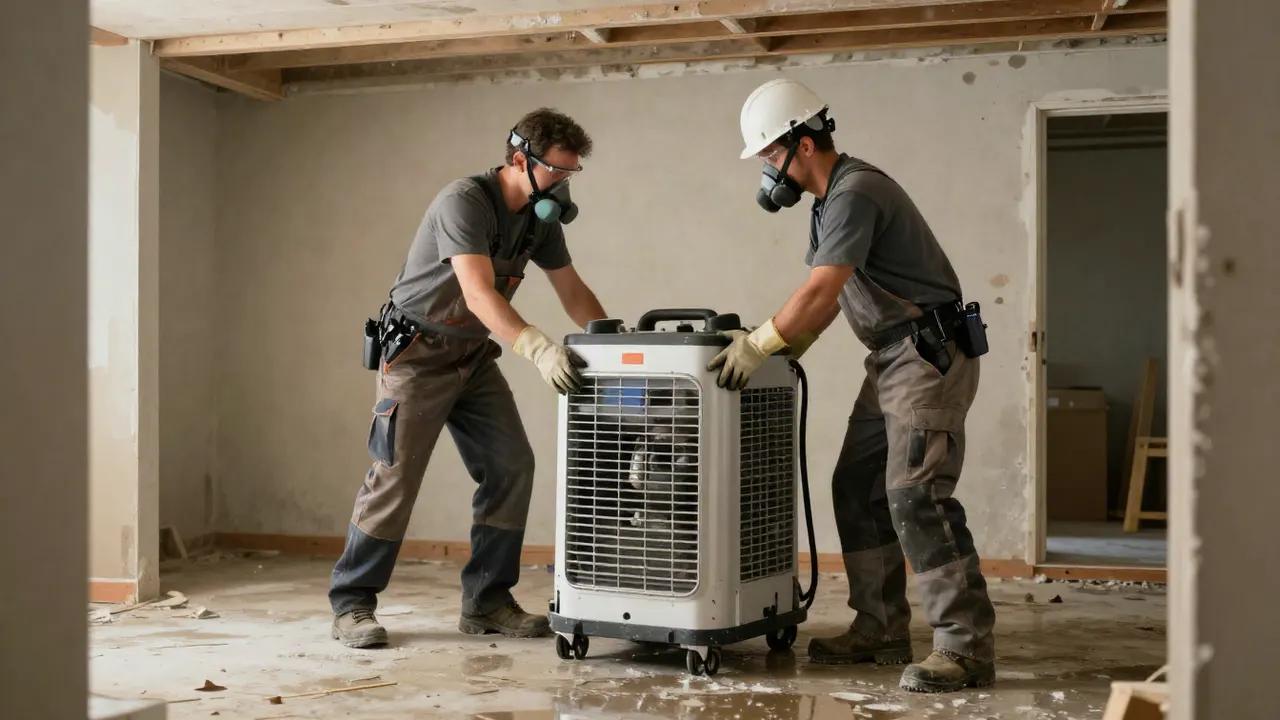
We shut off the water, extract standing water, and cut out saturated drywall to expose the framing. Air movers and dehumidifiers dry the wall cavity and cabinets. We monitor daily until dry standard is reached. Your kitchen is dry, mold-free, and ready for drywall repair. Insurance gets a full report with moisture readings and photos.
We pump out standing water, extract from carpet and concrete, and remove wet padding. Desiccant dehumidifiers pull moisture from concrete and framing. We check your sump pump and recommend a backup. Basement reaches dry standard in three to five days. No mold, no musty smell, and a plan to prevent the next flood.
We tarp the roof, extract water from ceilings and walls, and set drying equipment in the attic and rooms below. Thermal imaging finds hidden moisture behind paint and insulation. Ceiling and walls dry without sagging or mold. We document everything for your claim and repair the drywall once dry.
We extract water from carpet and padding, remove wet padding, and set air movers on the subfloor. We dry the bathroom walls and vanity cabinet with targeted airflow. Subfloor and walls reach dry standard in 48 to 72 hours. Carpet is reinstalled with new padding, and the bathroom is mold-free.
We locate the leak, extract water, and remove wet carpet and padding. Drying mats and dehumidifiers pull moisture from the concrete slab. We monitor daily until readings confirm dry standard. Concrete and framing are dry, preventing mold and further floor damage. We provide a full report for your insurance claim.
Hyattsville sits in Prince George's County with a mix of 1920s bungalows, mid-century homes, and newer condos. The older homes often have cast-iron drains, original hardwood floors, and unfinished basements that flood when storms overwhelm the storm sewer system. We see slab leaks in University Town Center condos, crawl space water intrusion in Chillum, and basement flooding in Kirkwood after heavy rain. Our crews know these buildings and how they hold water. We also follow Maryland Home Improvement Commission requirements and pull permits when repairs are needed. When you need structural drying after flooding in Hyattsville Maryland, we bring the right equipment for the building type and document everything for your insurance claim.
Older homes with original hardwood and plaster walls that hold moisture longer than modern drywall. We use drying mats and low-humidity air to protect finishes.
Newer condo buildings with concrete slabs and shared walls. Slab leaks and supply line failures are common. We coordinate with building management for access and documentation.
1920s bungalows with unfinished basements and cast-iron drains. Basement flooding after storms is frequent. We check sump pumps and recommend backups.
Mix of single-family homes and apartments. Crawl spaces and older plumbing mean hidden leaks. We use thermal imaging to find moisture behind walls.
Historic homes with plaster walls and original wood framing. Drying requires lower heat and longer run times to avoid cracking plaster.
These pipes fail without warning, sending water into walls and floors. We extract and dry fast to prevent mold in hidden cavities.
Basements flood when the city system overloads. We pump out water, extract, and dry before mold takes hold. We also recommend backflow valves.
Crawl spaces and basements stay damp even without a leak. We run dehumidifiers longer and recommend vapor barriers to control humidity.
These materials dry slower and need lower heat. We adjust equipment and monitor daily to prevent cracking and warping.
A supply line burst under the sink at 11 p.m., sending water across the kitchen floor and into the baseboards. The drywall was saturated up to 18 inches, and water had seeped under the hardwood into the subfloor.
We extracted 15 gallons of standing water, cut out wet drywall, and ran air movers and a dehumidifier for four days. Moisture readings confirmed dry standard. The homeowner only needed drywall replacement and paint, saving the hardwood.
Maintenance: We recommended a water leak sensor under the sink and an annual inspection of supply lines. Both are inexpensive and prevent repeat damage.
Three inches of water covered the basement floor after a storm overwhelmed the sump pump. Carpet padding was soaked, and water had wicked up the drywall 12 inches. The homeowner worried about mold.
We pumped out the water, extracted from carpet and concrete, and removed wet padding and drywall. Desiccant dehumidifiers ran for five days. Final readings showed dry standard, and no mold grew. The insurance claim covered everything.
Maintenance: We installed a backup sump pump and recommended a battery system. The homeowner also added a French drain along the exterior wall to divert water.
A slab leak under the living room floor soaked the carpet and padding. The concrete slab held moisture, and the baseboards were wet. The condo owner needed documentation for the HOA and insurance.
We extracted water, removed carpet and padding, and used drying mats on the concrete. Daily readings tracked moisture until the slab reached dry standard in six days. We provided a full Xactimate report for the claim.
Maintenance: We recommended a leak detection test every two years and a water alarm near the water heater. The HOA now includes slab leak checks in its maintenance schedule.
Water damage does not stop at the surface. These are the problems we see most often in Hyattsville and how structural drying solves them before they get worse.
Trapped water feeds mold, rots framing, and causes ceiling stains to reappear. By the time you see damage, mold may already be growing. We use thermal imaging cameras and boroscopes to find water behind walls, then set drying equipment to pull moisture out of the cavity. Daily readings confirm the wall cavity reaches dry standard before we close it up.
Concrete releases moisture slowly, and wet framing in a closed basement creates ideal conditions for mold and wood rot. Sump pumps often fail during storms. We extract standing water, remove wet carpet padding and drywall, and run desiccant dehumidifiers to pull moisture from concrete and framing. We also check your sump pump and recommend upgrades to prevent repeat flooding.
Wood absorbs water fast and can cup within 24 hours. If moisture stays trapped, boards warp permanently and the subfloor rots. We extract water, set drying mats on the hardwood, and monitor moisture content daily. Floors that dry within 48 to 72 hours often return to normal without replacement. We document readings for insurance.
Crawl spaces stay humid and dark, so water there does not evaporate. Joists and subfloor rot from below while mold spreads through insulation. We pump out standing water, install air movers and dehumidifiers, and treat framing with antimicrobial spray. Once dry, we recommend vapor barriers and drainage fixes to keep water out.
Sewage is Category 3 water, meaning it carries bacteria and pathogens. Standard drying is not enough; contaminated materials must be removed and the area treated. We remove affected materials, apply antimicrobial spray, and run structural drying with added safety protocols. We follow IICRC S500 standards for contaminated water and document everything for your insurance claim.
$800 - $3,500 depending on scope
Typical 2026 pricing for structural drying in Hyattsville ranges from $1,200 to $3,500 for most residential jobs. A single room with minimal saturation may cost $800 to $1,200. Basement flooding, sewage backup, or crawl space drying costs more because of added safety protocols and longer equipment run times. We provide a written estimate before work begins and bill your insurance directly when the loss is covered. Our goal is to dry your structure correctly the first time so you avoid mold remediation and costly repairs later.
Proper structural drying protects your home from mold, saves materials like hardwood and drywall, and prevents costly repairs down the road. The cost of drying is almost always less than the cost of mold remediation and reconstruction.
The more area that is wet, the more equipment and time required. A 100-square-foot bathroom costs less to dry than a 1,000-square-foot basement. We measure and scope every job before quoting.
Clean water from a supply line is Category 1. Sewage backup is Category 3 and requires antimicrobial treatment, removal of contaminated materials, and added safety protocols. Category 3 jobs cost more but are necessary to protect health.
Concrete and hardwood dry slower than drywall and carpet. Crawl spaces and plaster walls need longer run times. We factor material types into the estimate so there are no surprises.
Most jobs run three to five days. Larger losses or slower-drying materials may run seven to ten days. Daily monitoring ensures we do not stop early or run equipment longer than needed.
Finished basements with multiple rooms, tight crawl spaces, and condos with shared walls take more time to set up and monitor. We account for access challenges in the quote.
Most homeowner policies cover structural drying when the loss is sudden and accidental. We bill your carrier directly and provide Xactimate documentation. You typically pay only your deductible.
We have been drying homes and businesses in Hyattsville since 2012. Our technicians hold IICRC WRT (Water Restoration Technician) and IICRC ASD (Applied Structural Drying) certifications, with additional training in IICRC AMRT for mold remediation. We follow ANSI/IICRC S500 for water damage and ANSI/IICRC S520 for mold work. Our team is licensed through the Maryland Home Improvement Commission and carries EPA Lead-Safe certification for work in older homes. From slab leaks in University Town Center condos to crawl space water intrusion in Chillum, we have seen and dried it.
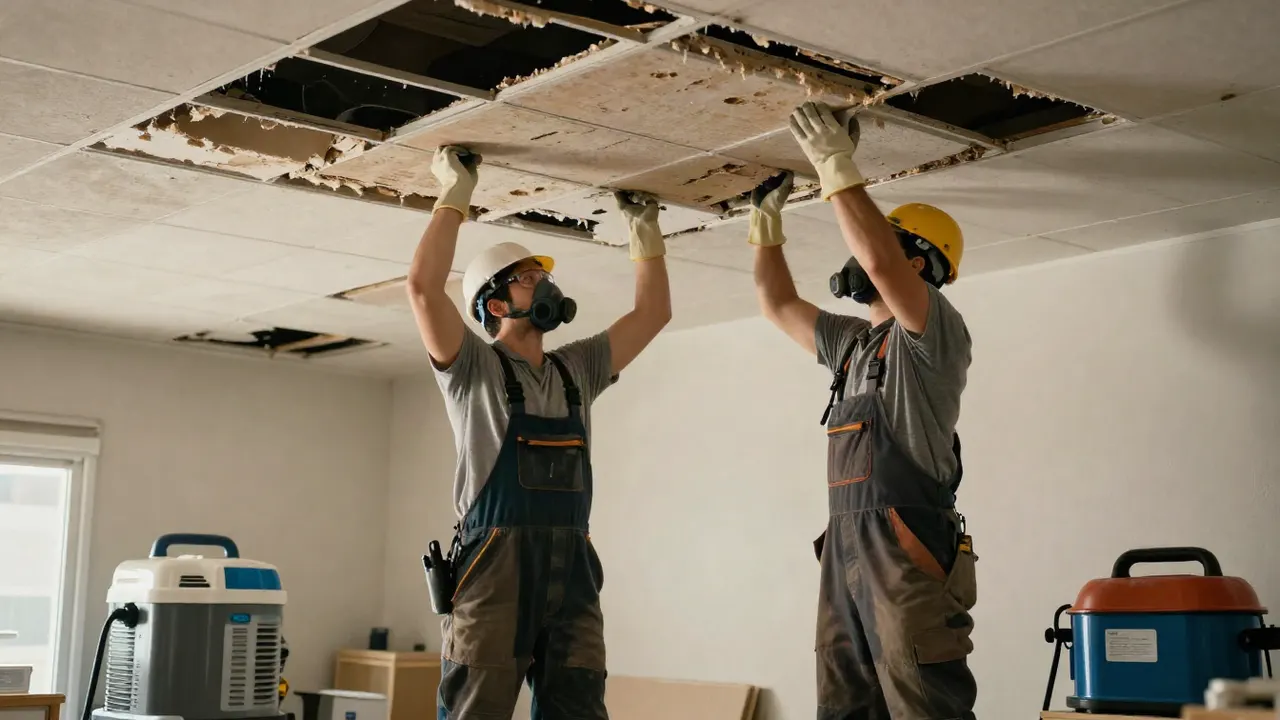
A pipe burst under our kitchen sink at 11 p.m. We called and a crew was here in about an hour. They extracted the water, set up air movers and a dehumidifier, and checked readings every day for four days. Our hardwood floors and cabinets were saved. They handled the insurance paperwork and we paid nothing out of pocket. Could not ask for a smoother experience.
We had a slab leak in a ground-floor condo that soaked the carpet and baseboards. The team from Water Damage Restoration Hyattsville MD responded same day, extracted everything, and ran structural drying for five days. Their daily logs and Xactimate report made the insurance claim painless. The unit was dry and mold-free. We now use them for all our properties.
Our basement flooded after a storm and the sump pump failed. They pumped out the water, pulled wet carpet padding, and dried the concrete and framing. The crew was professional, explained every step, and gave us a completion report with moisture readings. No mold, no smell, and the insurance covered it. Highly recommend for anyone in Hyattsville dealing with water.
Most residential structural drying jobs in Hyattsville run $1,200 to $3,500 depending on square footage, how many rooms are affected, and how long equipment runs. A single-room job with minimal saturation may cost $800 to $1,200. Basement flooding or sewage backup with contaminated water costs more because of antimicrobial treatment and additional safety protocols. We provide a written estimate before work begins and bill your insurance directly when the loss is covered.
Most Hyattsville homes reach dry standard in three to five days. Small jobs with one affected room and good airflow can finish in 48 to 72 hours. Larger losses involving crawl spaces, hardwood flooring, or multiple rooms may take seven to ten days. We monitor moisture daily and adjust equipment so drying stays on schedule. You get a completion report with final readings once every material hits dry standard.
We use truck-mounted water extraction units, Dri-Eaz and Phoenix air movers, refrigerant and desiccant dehumidifiers, moisture meters, thermal imaging cameras, hygrometers, and boroscopes to see behind walls. For sewage backup or flood cleanup, we add sump pumps and antimicrobial spray. Every piece of equipment is calibrated and logged daily so your insurance adjuster can verify the drying process was done to ANSI/IICRC S500 standards.
Yes. Mold needs moisture to grow, and it can start colonizing wet drywall in 24 to 48 hours. Drying materials quickly removes the moisture mold needs. We also apply antimicrobial spray to affected framing and run HEPA air scrubbers to capture spores. If mold is already present, we handle it under IICRC AMRT protocols. Fast, thorough structural drying is the single most effective way to prevent mold after water damage in Hyattsville.
Not seeing your question? Our local team can help you understand urgency, scheduling and what to expect.
Ask the local team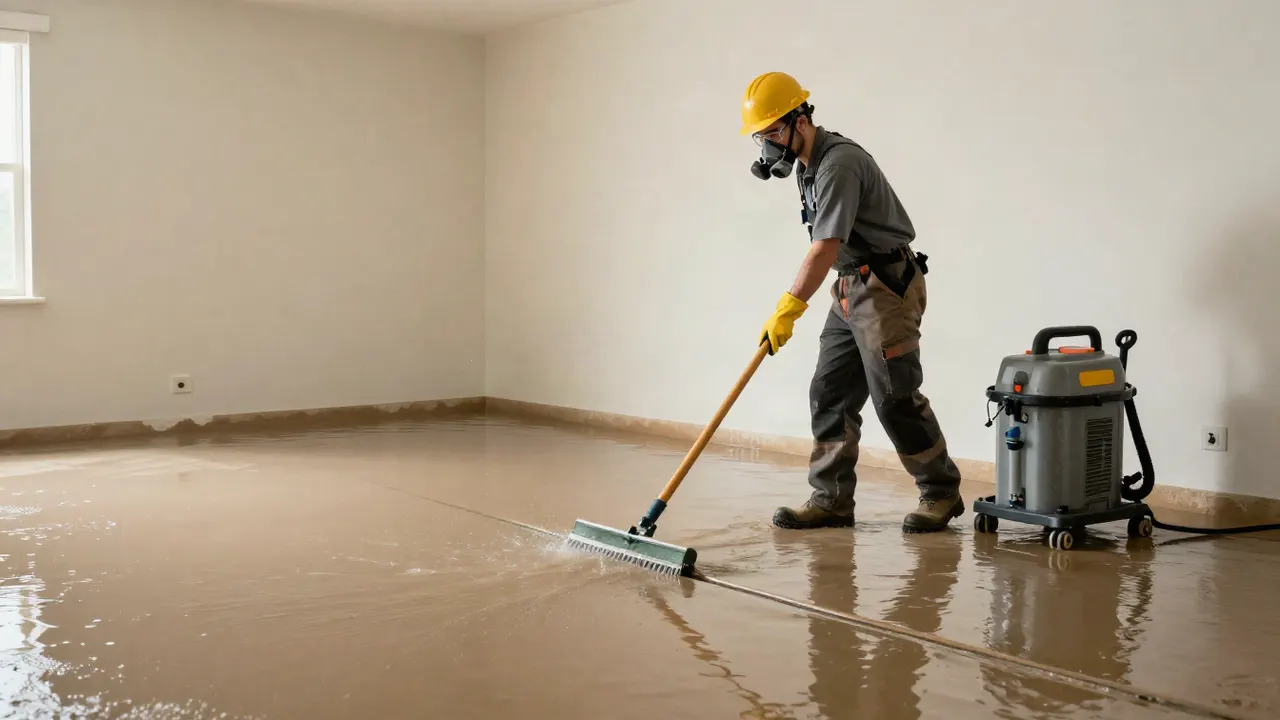
When a pipe bursts or a storm floods your basement, emergency water removal pulls standing water fast so structural drying can begin. We dispatch 24/7 across Hyattsville with truck-mounted extraction units.
View serviceFloodwater carries silt, bacteria, and contaminants. We extract, sanitize, and then run structural drying to remove moisture from walls, floors, and crawl spaces. Essential after storms that overwhelm local drainage.
View service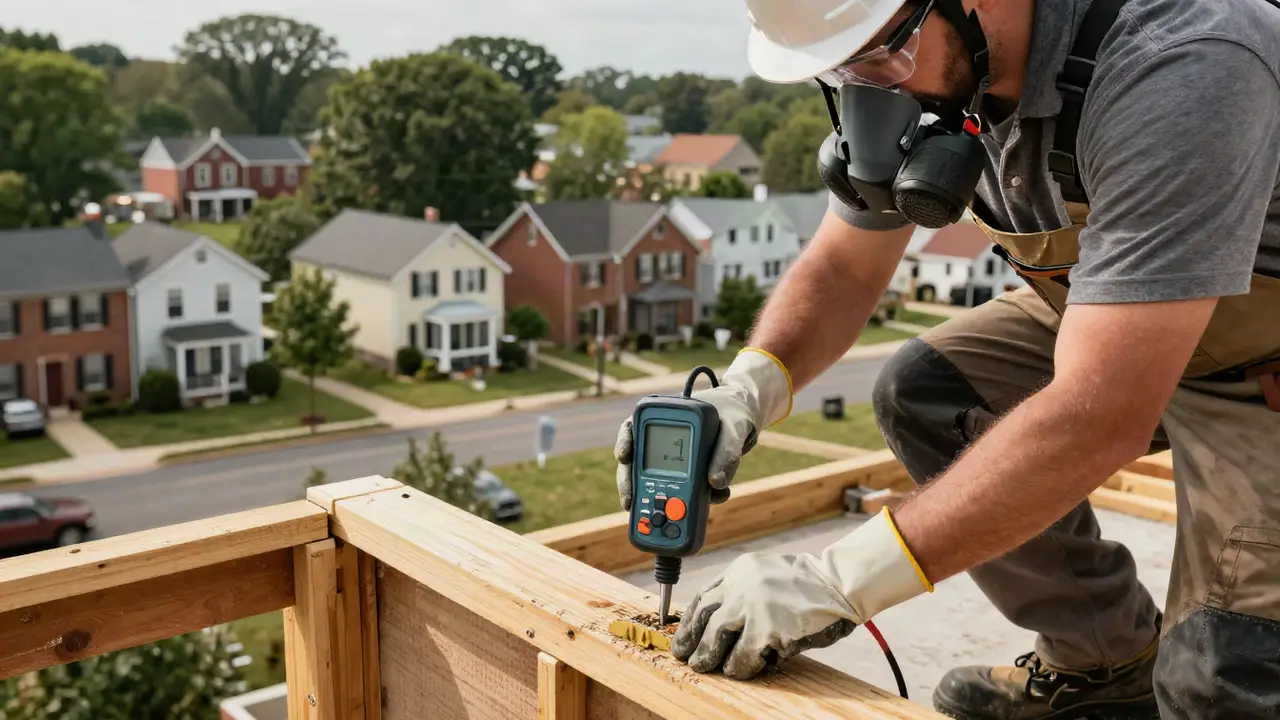
Hyattsville basements flood from sump pump failures, foundation leaks, and sewer backups. We extract water, remove damaged materials, and set drying equipment to bring framing and concrete back to dry standard.
View serviceSewage backup is Category 3 water, meaning it is contaminated. We remove affected materials, apply antimicrobial spray, and run structural drying with added safety protocols. Required before any rebuild in Hyattsville.
View service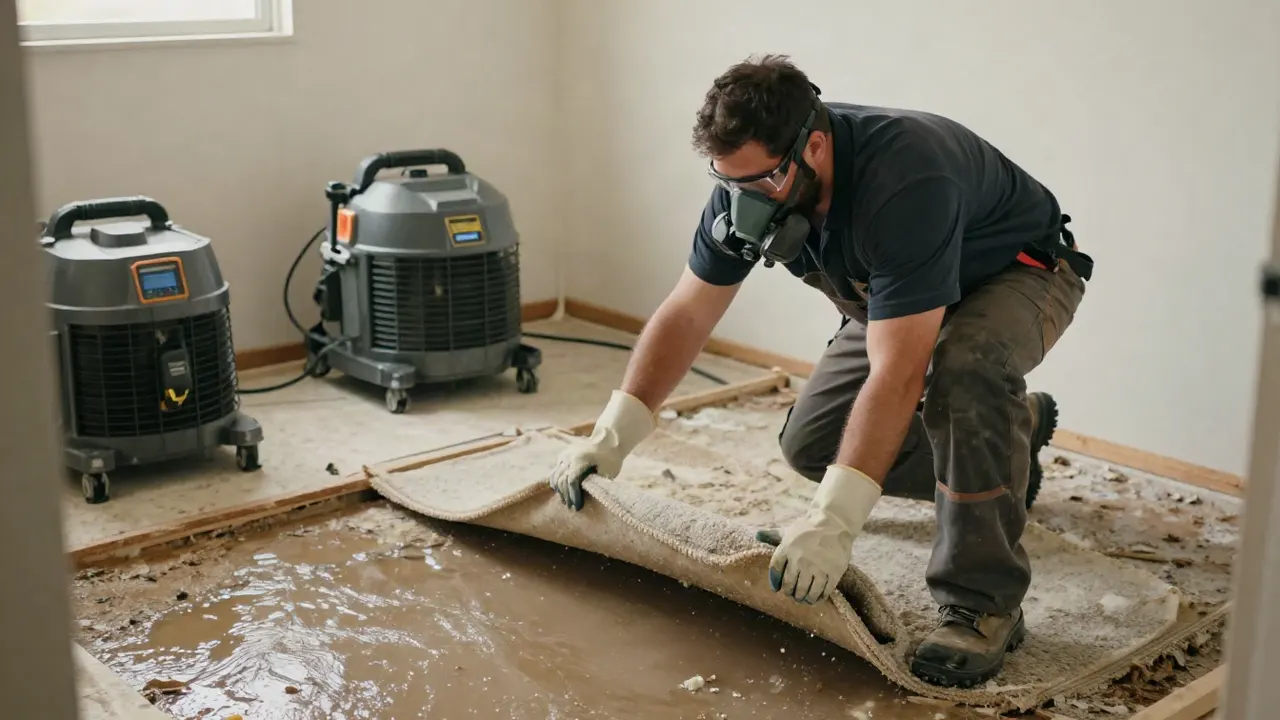
We answer the phone 24 hours a day, 7 days a week, including holidays. Most addresses in Hyattsville see a crew within an hour of your call. Whether it is a burst pipe at 2 a.m. or a slow leak you just noticed, call us and we will get someone out.