How to protect your Downtown Hyattsville home from storm flooding
Storm flooding in Downtown Hyattsville is a real threat. Learn floodproofing steps, sump pump tips, flood barriers, insurance facts, and when to call a restoration pro.
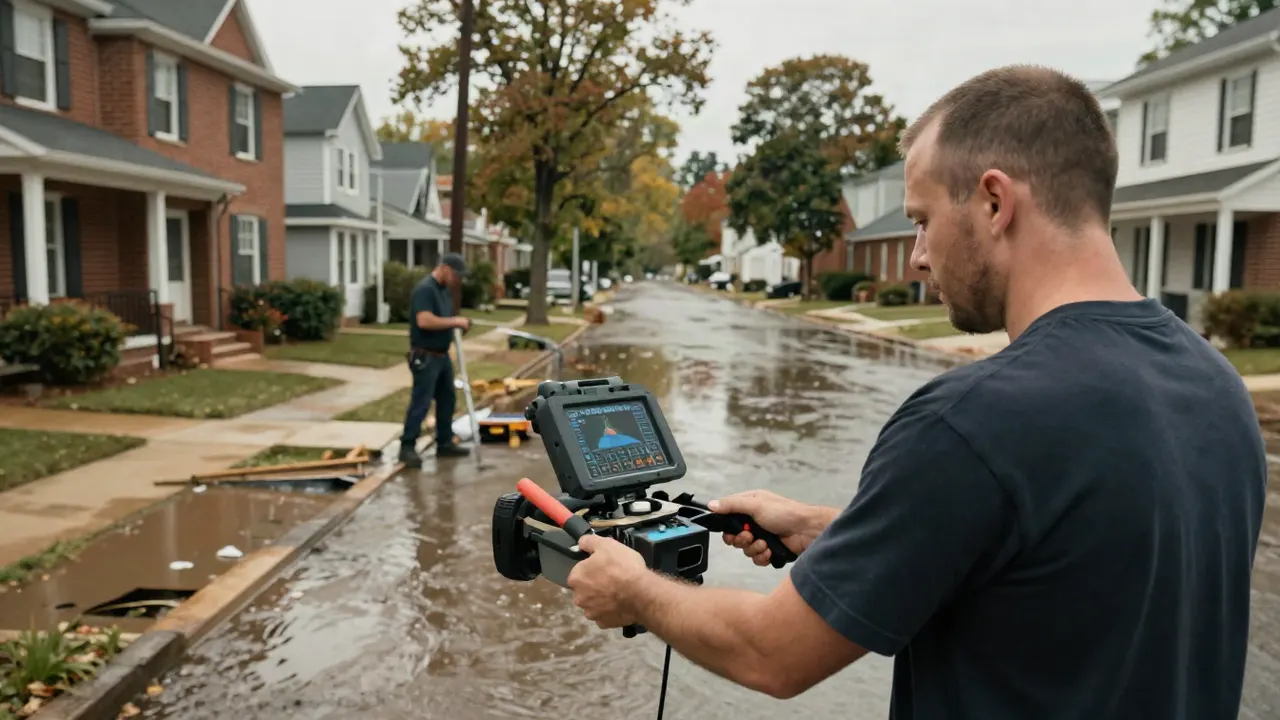
Protecting your Downtown Hyattsville home from storm flooding starts with three moves: seal the entry points where water pushes in, keep stormwater away from your foundation, and have a pump and backup power ready before the rain arrives. In Downtown Hyattsville, where the Anacostia watershed, aging storm drains, and dense brick rowhomes all work against you, those three steps cut flood risk more than anything else you can do. This guide walks through the specific floodproofing measures that work here, what they cost in 2026, what insurance actually covers, and when it's time to call in a restoration crew.
Why Downtown Hyattsville floods so easily
Downtown Hyattsville sits on low ground near the Northwest Branch of the Anacostia River, and its storm sewer system was built for a smaller, less paved version of the city. When a summer thunderstorm drops 2 inches of rain in 45 minutes, the combined storm and sanitary lines on Hamilton Street and Baltimore Avenue back up before the ground can absorb anything.
Add the building stock. Most Downtown Hyattsville rowhomes date from the 1920s through the 1950s, with original clay sewer laterals, stone foundations, and basement floor drains that tie directly into the municipal system. When the main backs up, your basement becomes the overflow point. That's why we see the same addresses flood year after year after a heavy storm.
We handle calls across the neighborhood, from the rowhomes near Water Damage in Downtown Hyattsville to the converted commercial buildings along Route 1. The pattern is consistent: water arrives fast, sits in low spots, and starts damaging drywall and framing within hours.
How do I protect my Downtown Hyattsville home from storm flooding?
You protect your Downtown Hyattsville home from storm flooding by keeping water out at the perimeter, managing the water that does get in, and having a plan for the first 24 hours. That means grading, gutters, backflow prevention, a working sump pump with battery backup, and a stocked emergency kit. None of it is glamorous, and all of it is cheaper than a flooded basement.
Start with the outside of the house. Water that pools against your foundation will find a way in, every time.
- Grade away from the foundation. Soil should slope at least 6 inches down over the first 10 feet. In Downtown Hyattsville's tight lots, that often means adding a shallow swale.
- Extend downspouts 6 to 10 feet from the wall. Splash blocks alone don't cut it during a 2-inch storm.
- Clean gutters twice a year - late spring and late fall. A clogged gutter dumps hundreds of gallons right at your foundation during a storm.
- Check window wells and areaway drains on basement windows. A cracked cover lets in more water than you'd think.
- Seal cracks in the foundation and basement floor with hydraulic cement or polyurethane injection.
Inside, the priorities are the sump pump, a backflow valve on the sewer line, and a battery backup. We'll cover each below.
Floodproofing your basement and crawl space
Your basement is where storm flooding does the most expensive damage, and it's also where the cheapest fixes live. A basement that stays dry during a storm saves you $4,000 to $12,000 in restoration costs on average in this area.
Three upgrades matter most for a Downtown Hyattsville basement:
- A primary sump pump with a battery backup. Primary pumps run $150 to $400 installed; a battery backup adds $300 to $600. When the power goes out mid-storm - and it does - the backup is the difference between a damp floor and 6 inches of standing water.
- A backflow prevention valve on the sewer lateral. Installation runs $800 to $2,500 depending on access. This is the single best defense against the sewage backups that hit Downtown Hyattsville during heavy rain.
- A sealed crawl space with a vapor barrier. If you have a crawl space, a 6-mil or 10-mil liner plus a small dehumidifier keeps humidity below 60%, which stops mold before it starts.
If water does get into the crawl space, don't wait. Standing water there warps floor joists and feeds mold within 48 hours. Our Crawl Space Water Removal Hyattsville MD team pulls the water, dries the joists, and treats the space so it doesn't happen again next storm.
Flood barriers, sump pumps, and backflow valves
Flood barriers and sump pumps are the two pieces of hardware that do the heavy lifting during a storm. For most Downtown Hyattsville homes, you'll want both.
Flood barriers that actually work here
Sandbags are a last-minute scramble. Permanent or semi-permanent barriers are better:
- Door dams and flood panels for basement entries and garage doors - $200 to $800 per opening, reusable, install in under 5 minutes.
- Window well covers rated for water pressure - $80 to $250 each.
- Permeable landscaping berms along the property line where runoff from a neighbor's lot drains toward yours.
Sump pump sizing and placement
A 1/3 HP pump handles most residential basements; go to 1/2 HP if you're moving water more than 10 feet vertically or have a large basement. The pit should sit at the lowest point of the floor, and the discharge line should run to a point at least 10 feet from the foundation - not into the sanitary sewer, which is illegal in Prince George's County and will backfire during a storm.
Backflow valves
A backflow valve is a one-way gate on your sewer line. Water and waste can leave; storm-charged sewage can't come back in. If your basement has a floor drain that gurgles during heavy rain, that's the sign you need one. We install them as part of our Sewage Backup Cleanup Hyattsville MD work and can usually finish in a single visit.
Does homeowners insurance cover storm flooding in Downtown Hyattsville?
Standard homeowners insurance in Downtown Hyattsville does not cover flood damage from rising water - that requires a separate flood policy through the National Flood Insurance Program or a private carrier. What your standard policy usually does cover is storm damage from wind, hail, or a fallen tree that then lets water in. The distinction matters, and it's the source of most denied claims we see.
Two things to check before the next storm:
- Your NFIP policy's waiting period. New flood policies have a 30-day waiting period before coverage kicks in. If you buy today, you're not covered for a storm next week.
- Your sewer backup endorsement. Many standard policies include $5,000 to $25,000 of sewer backup coverage as an add-on. If you don't have it, add it - Downtown Hyattsville's combined sewer system makes backups a real risk.
Document everything before a storm: photos of your basement, receipts for electronics and furniture, and a written inventory. Claims move faster when you can prove what was there. If a storm does hit and you're dealing with the aftermath, our Storm Damage Restoration Hyattsville MD team works directly with adjusters and can document the damage in the format carriers want.
Common mistakes that make storm flooding worse
The most common mistake we see in Downtown Hyattsville is waiting until the storm is in the forecast to prepare. By then, the hardware store is out of sump pumps and every contractor is booked.
Other mistakes that cost homeowners real money:
- Discharging the sump pump into the sanitary sewer. Illegal in Prince George's County, and it makes your neighbor's backup worse.
- Relying on a single sump pump with no backup. Power outages and pump failures happen during the exact storms you need them most.
- Ignoring a slow floor drain. A drain that's slow in dry weather will be useless in a storm.
- Stacking cardboard boxes and paper files directly on the basement floor. Raise everything at least 6 inches on shelving or pallets.
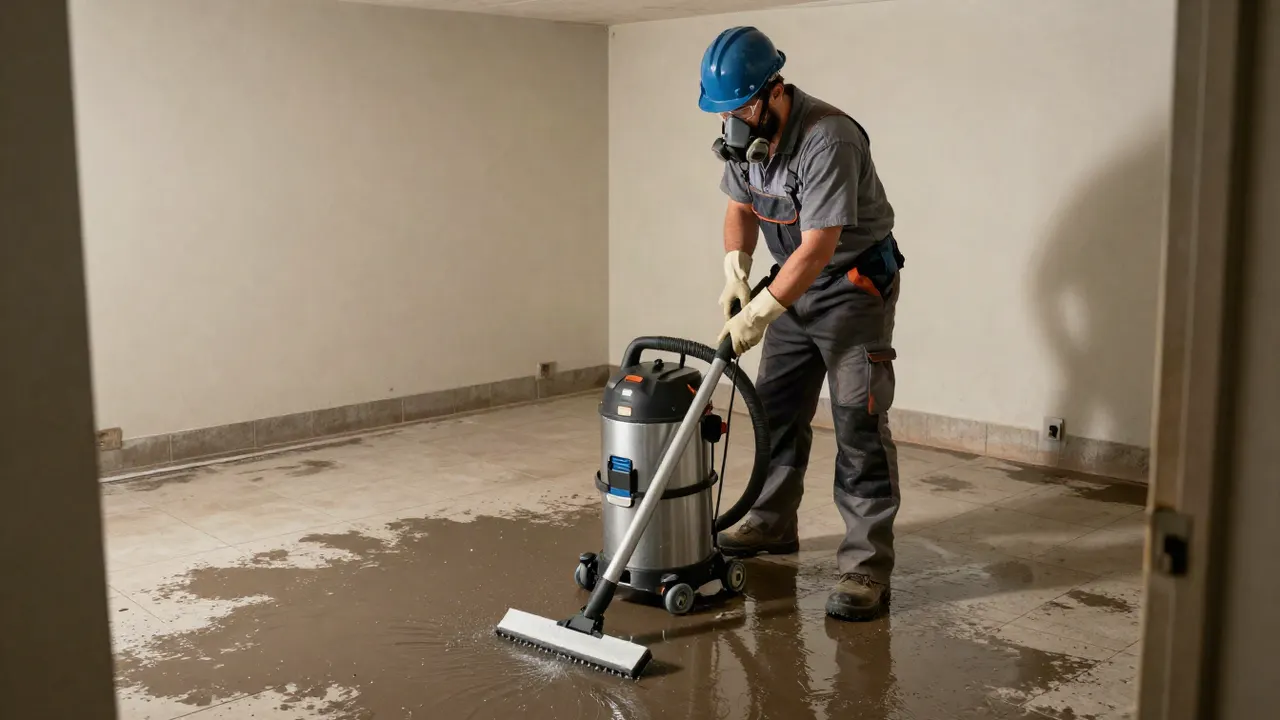
- Running a shop vac and calling it done. Surface water is the visible part. The framing, drywall, and subfloor hold moisture for weeks.
- Skipping the dehumidifier after a minor flood. Humidity above 60% for more than 48 hours is a mold invitation. Our Dehumidification Services Hyattsville MD pull moisture out of the air and structure so mold never gets a foothold.
When to call a professional
Call a professional when water has been standing for more than a few hours, when the water is Category 2 or 3 (gray or black water - anything from a sewer backup or outdoor flooding), or when more than about 10 square feet of drywall or flooring is wet. Those are the thresholds where DIY drying stops working and hidden moisture starts causing structural and mold problems.
We're Water Damage Restoration Hyattsville MD, and we handle storm flooding in Downtown Hyattsville and the surrounding neighborhoods every week. Our crew extracts the water, sets industrial drying equipment, monitors moisture daily, and handles the repairs - drywall, flooring, and paint - so you're not juggling three contractors. We give you a clear price before we start, and we work directly with your insurance adjuster.
If you're not sure whether your situation needs a pro, call us anyway. A 10-minute phone assessment is free, and it's better to know now than after the mold shows up.
Frequently Asked Questions
How do I protect my Downtown Hyattsville home from storm flooding?
Seal foundation cracks, extend downspouts 6 to 10 feet, install a backflow valve and a sump pump with battery backup, and keep gutters clean. Together, those five steps prevent the majority of storm flooding in Downtown Hyattsville rowhomes. Add flood panels at basement and garage doors if your block floods regularly.
What are the best flood prevention measures in Downtown Hyattsville MD?
The highest-return measures are a backflow prevention valve ($800-$2,500 installed), a primary sump pump with battery backup ($450-$1,000), and regrading soil to slope 6 inches away from the foundation over 10 feet. These three address the specific failure points we see in Downtown Hyattsville's older rowhomes.
Does homeowners insurance cover storm flooding in Downtown Hyattsville?
No - rising-water flood damage requires a separate NFIP or private flood policy, and new policies have a 30-day waiting period. Standard policies do cover wind-driven rain damage and often include a sewer backup endorsement of $5,000 to $25,000. Check your endorsement before storm season.
How can I prepare my Downtown Hyattsville home for heavy rain?
Clear gutters and downspouts, test your sump pump by pouring water into the pit, check the battery backup, move valuables off the basement floor, and charge phones and backup batteries. If a storm is forecast, install door dams at basement entries and park vehicles on higher ground.
How long does storm flood cleanup take in Downtown Hyattsville?
Extraction takes 4 to 8 hours for a typical basement. Structural drying runs 3 to 5 days with daily moisture monitoring. Repairs - drywall, flooring, paint - add another 3 to 10 days depending on scope. We give you a written timeline after the initial assessment.
Get help with Water Damage in Hyattsville
Storm flooding in Downtown Hyattsville doesn't wait, and neither should you. If water is in your basement right now, call us at +1 (866) 327-0438 - we answer 24/7 and dispatch crews across Hyattsville and Prince George's County.